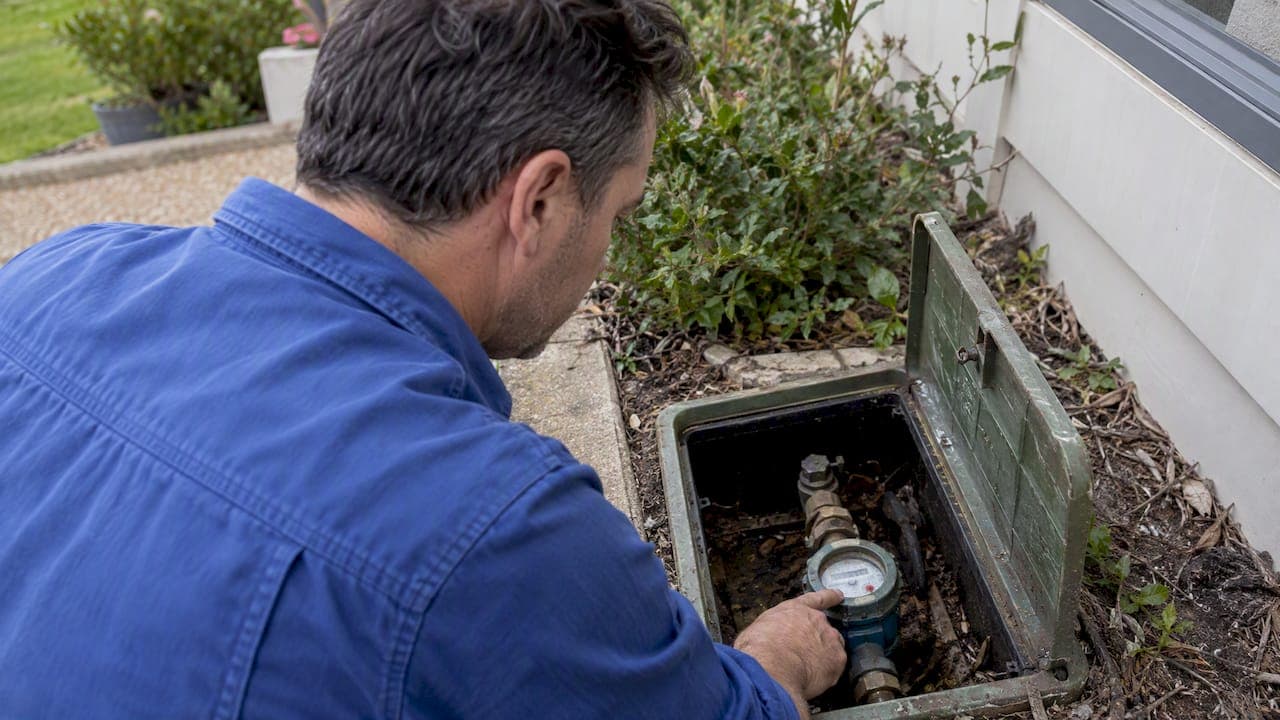
The three most reliable slab leak signs are unexplained water metre movement, warm or damp patches on your floor, and the sound of running water when every tap and appliance is off. If you notice any of these, the next step is a water metre test, not a jackhammer. Confirming a slab leak takes a few simple checks, never demolition on day one.
TL;DR:
- After confirming meter movement, close the hot water valve; if the meter stops, suspect the hot line, and if it continues, check the cold line.
- Rule out silent toilet refills, dripping taps, irrigation timers, and air conditioner condensate before blaming a slab; repeat the meter test at different times.
- When the meter spins quickly, moisture spreads over hours, cracks appear, or water pools, shut off the main, record the meter reading, and photograph damage.
- Acoustic, thermal, and tracer gas detection can locate different leak types; require scanning for rebar, tendons, and utilities before any concrete is cut.
Table of Contents
- Common slab leak signs and what each one means
- How to check for a slab leak yourself
- When a slab leak becomes urgent
- Why precision in detection matters
- Sinkholes or depressions in the yard
- Increased humidity inside the home
- Verify first, then fix: a practitioner's view
- Dualflow Services: quick slab leak diagnosis and repair
- FAQ
- Sources
Common slab leak signs and what each one means
Most slab leaks announce themselves quietly before they become expensive. Learning to read the early signals saves you from unnecessary excavation and from leaving a leak running for weeks.
A sudden jump in your water bill, with no change in household habits, is one of the clearest clues. Pair it with a water metre check: if the low-flow indicator spins while every fixture in the house is off, water is moving somewhere it shouldn't. The water metre test is the standard first step recommended for exactly this reason.
The sound of running water with taps closed is another strong indicator, especially if it's loudest near a particular wall or room. Slab leaks often hiss or trickle faintly through concrete, audible in quiet rooms late at night.
Warm patches on timber or tiled floors usually point to a leak on the hot water side of the system, since the escaping water carries heat up through the slab. A persistently damp or cool patch, by contrast, can mean a cold water line leak or, in some cases, simple groundwater intrusion unrelated to your plumbing. Sub-surface water and poor drainage are common non-plumbing causes of slab moisture, so a damp patch alone isn't proof of a pipe failure.
Other signs worth watching for:
- Wet, spongy carpet or a patch of noticeably greener, lusher lawn directly above where a pipe runs.
- Tiles that crack, lift or sound hollow when tapped, or timber flooring that warps or cups near a slab edge.
- Low or fluctuating water pressure, particularly if it's worse in one part of the house than another.
- Staining, bubbling paint or a musty smell on walls or ceilings below slab level, especially in a lower storey or garage.
- Skirting boards that separate from the wall or show water marks near the floor.
No single sign confirms a slab leak on its own. Low pressure can mean a tired pump or a partially closed valve, and a warm patch can simply be afternoon sun through a window. The pattern matters more than any one clue: when two or three of these line up in the same part of the house, it's worth running a proper test before you call anyone out.
How to check for a slab leak yourself
Before booking a trade, a few homeowner checks can confirm or rule out a pressurised leak in under an hour.
- Turn off every tap, appliance and irrigation zone, then read the small low-flow indicator on your water metre. If it's spinning with everything off, water is escaping somewhere in the system.
- Isolate the hot water side by closing the valve on your hot water unit, then watch the metre again. If movement stops, the leak is likely on the hot line; if it continues, check the cold side next.
- Walk the house in a quiet period, ideally late at night, and listen near skirtings and floor vents for hissing or trickling. A stethoscope or even a long screwdriver pressed to the floor and your ear can amplify faint sounds.
- Check subfloor vents, garden beds above pipe runs and any service cupboards for damp soil, mould or unusual puddling.
- If the metre moved during step one, rule out a running toilet or dripping tap first using a simple toilet leak check, since these are far more common than slab leaks and easy to mistake for one.
Irrigation controllers, air conditioner condensate lines and a toilet that silently refills are the usual false positives, so rerun the metre test after isolating each of these before assuming the worst.
Pro Tip: Run the metre test twice, once in the evening and once first thing in the morning, since irrigation timers and appliance cycles can create a false reading at certain hours.
When a slab leak becomes urgent
Not every slab leak needs a same-day response, but some signs mean you shouldn't wait.
- The metre is spinning quickly, not just slowly ticking over.
- A damp patch is spreading visibly over hours rather than days.
- You notice new cracks in walls, skirting or flooring near the suspected leak.
- Water is pooling on the surface or seeping into a neighbouring room.
If any of these apply, shut off the water at the main, note the metre reading and time, and photograph any visible damage before it's disturbed. Move furniture, rugs and valuables away from the affected area. An emergency plumbing visit typically starts with priority leak detection and temporary isolation to stop further damage, followed by a safety check of nearby electrical points if water has reached a wall cavity. From there, the usual path runs from inspection to pinpointing the leak, then repair, then slab patching and floor restoration.
Why precision in detection matters
Professional detection exists to answer one question precisely: where is the leak, down to a small area, so only that section of slab needs opening. Acoustic detection, thermal imaging and tracer gas each do different jobs: acoustic microphones pick up the sound of escaping water through concrete, thermal cameras spot temperature differences from hot water leaks, and tracer gas finds leaks in plastic pipe or low-pressure lines where sound alone is unreliable.

This "pinpoint then keyhole" approach means opening a small, targeted section of slab instead of removing an entire floor, which keeps repair costs and disruption down. Before any cutting, professionals scan for rebar, post-tension tendons and conduit using GPR or rebar locators, a step that prevents damage to structural elements or live electrical and gas lines beneath the floor.
Specialist trades handling concrete cutting and underground service location follow the same principle: locate first, cut only where confirmed.
Sinkholes or depressions in the yard
A slab leak isn't always confined to the house itself. When a pipe running under the yard or near the foundation edge fails, the escaping water can wash away surrounding soil, leaving a small depression or, in more advanced cases, a visible sinkhole.
This usually develops gradually. You might notice a low spot that wasn't there last season, soil that feels soft or spongy underfoot, or paving that starts to tilt slightly. Uneven paving and greener lawn patches are both listed as visible surface signs of a hidden leak, and a depression is often the next stage if the leak has been running for a while.

Treat a new sinkhole or soft patch near a known pipe run as a reason to act, not just note and monitor. Soil erosion underground can eventually undermine a path, driveway or even a section of footing if left unaddressed. It's also a useful clue for detection: a depression narrows down roughly where underground pipework has failed, which helps a technician decide where to start an acoustic or tracer gas sweep rather than testing the whole yard.
Increased humidity inside the home
A slab leak can change the air inside your house well before any visible water appears. As water seeps upward through concrete and flooring, it adds moisture to the air in that room, and over time you may notice windows fogging more than usual, a persistent musty smell, or surfaces that feel slightly damp to touch even without direct water contact.
This is worth separating from normal seasonal humidity. If one room consistently feels muggier than the rest of the house, or if mould or mildew starts appearing on skirting, the back of furniture or lower sections of wall in that specific area, a slab leak is a reasonable explanation to check for. Rising humidity paired with a warm or damp floor patch in the same room strengthens the case considerably.
Not all slab moisture comes from a pipe, though. Poor subfloor drainage and sub-surface water can produce similar humidity and mould symptoms without any plumbing fault at all, which is exactly why a metre test and, where needed, professional detection matter before assuming the cause. If humidity is rising in a room with no obvious moisture source, checking the metre is a quicker, cheaper first step than guessing.
Verify first, then fix: a practitioner's view
Running a metre test and insisting on pinpoint detection before any cutting isn't caution for its own sake, it's what prevents repeat call-outs and reopened floors. A spot repair suits a single, well-located failure; a full repipe or reroute makes more sense when a slab has already had several leaks or ageing pipework throughout. Always check a plumber's current licence and ask for a written diagnostic report before work begins, since Consumer Affairs Victoria has warned consumers to be wary of misleading emergency advertising and unverified operators.
— Mike
Dualflow Services: quick slab leak diagnosis and repair
We handle slab leak detection and repair as both emergency call-outs and scheduled visits. A diagnostic visit from us typically includes:

- A water metre check and hot/cold isolation to confirm which side of the system is affected.
- Acoustic and thermal scanning to pinpoint the leak without unnecessary cutting.
- A written findings report and repair plan before any slab work begins.
Book a plumbing assessment or reach our main service line for an emergency slab leak call-out.
FAQ
How long can a slab leak go undetected?
A slow slab leak can run for weeks or months before it's noticed, especially if it's on the cold side and doesn't produce a warm patch. Rising water bills and a spinning metre with fixtures off are usually the earliest clues, which is why a periodic metre check is worth doing even without obvious symptoms.
Is a slab leak a big deal?
A slab leak is worth treating seriously because sustained water flow under a foundation can erode soil, damage flooring and encourage mould growth over time. It's rarely an instant emergency, but it does need confirmation and repair within days rather than months once signs appear.
What to do if a slab is leaking?
Shut off the water at the main if the leak seems active, note your metre reading and photograph any visible damage. From there, run a metre test to confirm the leak, then arrange professional pinpoint detection before any concrete is cut.
Sources
- How to detect a water leak - Water Corporation
- Pinpoint the slab leak before you break the floor | Contractor Magazine
- Plumbing Australia public warning notice | Consumer Affairs Victoria
- Subfloor preparation: sources of moisture | Dunlop Trade