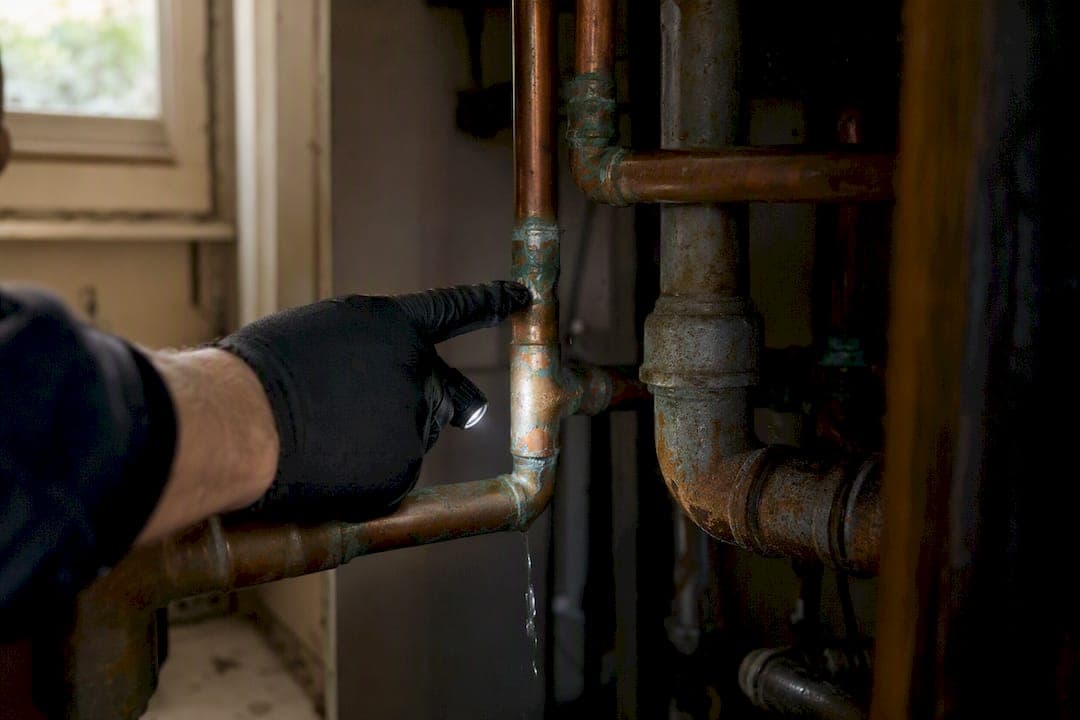
Consider a full plumbing overhaul when several system-level signs show up together, not just one. Recurring leaks in different spots, discoloured water from more than one tap, falling pressure across the whole house, or pipes made from known problem materials like polybutylene or old galvanised steel are the combination that tips a repair job into a repipe conversation..
Act fastest on these:
- Two or more pipe leaks in different locations within the last 12 months
- Brown or rusty water from multiple taps, not just one
- Low water pressure across the whole house, not one fixture
- Pipes older than 40 years, or any polybutylene you can identify
Pro Tip: If you suspect an active leak right now, shut off the water at the mains and book a professional inspection that includes a pressure test and a look at your pipe material before you patch anything.
Key Takeaways
A full plumbing overhaul is justified when multiple system-level signs, not one isolated fault, point to the same underlying failure.
| Point | Details |
|---|---|
| Watch for patterns, not events | Two or more leaks, discoloured water at several taps, or house-wide pressure loss together signal system failure. |
| Material and age set urgency | Galvanised steel past 40 years and any polybutylene push the decision toward replacement regardless of symptoms. |
| Score your red flags | Zero to one flag means monitor, two to three means get quotes, four or more means plan a repipe. |
| Insist on documented testing | A passed pressure test and permit sign-off should happen before any wall gets patched. |
| Book a proper inspection first | Dualflowservices offers material checks, pressure testing and written scopes to compare against other quotes before you commit. |
Table of Contents
- Signs your plumbing system needs a full overhaul
- How to decide between a repair and a whole-home repipe
- What a full repipe actually involves
- What drives the cost and how long it takes
- Getting your home ready before the plumber arrives
- A trades team's take on planned repipes
- How Dualflowservices can help with your inspection
- Frequently asked questions
- Sources
Signs your plumbing system needs a full overhaul
Plumbing systems rarely give up without warning. What usually happens is a string of smaller failures that homeowners treat as separate, unrelated annoyances, a leak here, a clogged drain there, until someone adds them up and realises the whole system is failing at once. That's the pattern worth watching for.
Recurring leaks in different areas
One leak is a plumbing job. Two pinhole leaks in different parts of the house within 12 months is a corrosion signal that professionals treat very differently. It usually means the pipe walls are thinning uniformly, not that you've had bad luck twice. If your plumber has patched three separate spots in the last year, ask directly whether the rest of the system is in the same condition, because it probably is.
Corrosion, pinhole leaks and crusty deposits
Copper pipes that develop white, blue or green crystal-like deposits are corroding from the inside out, and those deposits at joints and valves are an early flag worth checking under every sink and around your hot water unit. Galvanised steel does the opposite: it flakes orange and brown as the zinc coating wears through to bare metal. Either one, spotted on visible pipework, tells you the hidden sections are ageing the same way.
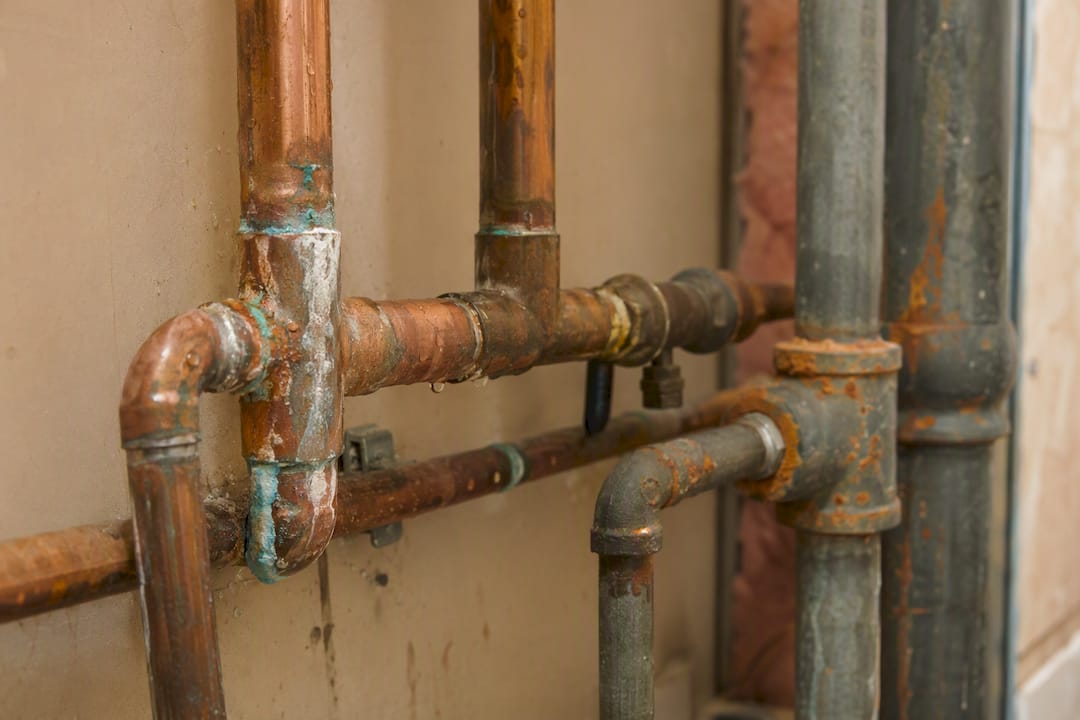
Discoloured or rusty water
Rusty water from one tap after you haven't run it in a week is usually a local issue, sediment sitting in that one line. Rusty or metallic-tasting water from several taps at once, especially right after you turn the water back on, points to system-wide corrosion rather than a single bad fitting.
Pressure drops and noisy pipes
Pressure that falls across multiple fixtures, or a shower that goes cold the second someone flushes a toilet, is a classic sign of restricted or corroded supply lines struggling to feed the whole house at once. Banging or knocking pipes are sometimes just a loose bracket, but persistent banging alongside pressure problems usually means something structural is going on, not a five-minute fix.
Blockages, backups and sewer smells
Occasional clogs are normal. Frequent backups in several different drains, paired with sewer smells or gurgling from vents, suggest the drain and vent system itself is failing rather than one blocked trap.
The water bill nobody can explain
A water bill that jumps with no change in household habits is one of the most reliable tells of a hidden leak, often running behind a wall or under a slab for months before any visible sign appears.
Material and age matter as much as symptoms
| Pipe material | Typical lifespan | Replacement urgency |
|---|---|---|
| Galvanised steel | Around 40–50 years | High once past 40 years, especially with any discolouration |
| Copper (Type L) | Around 40 years | Moderate; watch for pinhole leaks as the main red flag |
| Polybutylene | Often fails well before 40 years | High regardless of current performance |
| Modern PEX | Typically 40+ years, still relatively new to most housing stock | Low, unless installation faults are present |
Pro Tip: Two signals together are usually enough to book an inspection: a pipe material known to fail early, plus any second symptom, whether that's a leak, discoloured water, or a pressure drop. Wait for a third and you're often already dealing with hidden damage.
How to decide between a repair and a whole-home repipe
Run through this before you commit to either path:
- Age versus material. Galvanised steel past 40 years or any polybutylene pushes you toward replacement almost automatically.
- Frequency of leaks. Two or more in 12 months, in different spots, is the threshold most plumbers use to recommend a repipe over further patching.
- Visible corrosion. Crusty deposits or flaking on exposed pipework mean the concealed sections are very likely in the same state.
- House-wide pressure change. If it's affecting several fixtures rather than one, it's a system problem.
- Repeated slab leaks. More than one leak under the concrete slab is expensive to keep chasing individually and usually cheaper to solve once.
- Inspection test results. A pressure test that fails, or a drain camera that shows scale build-up throughout the line, settles the question either way.
Ask your plumber these before you agree to anything:
- What tests will you run, and can I see the pressure test results?
- What pipe material do you recommend for my situation, and why that one over the alternatives?
- What permits and inspections does this job require in my area?
- How long will the work take, and where will you need to cut into walls or slab?
A simple scoring approach helps here: count how many red flags from the checklist apply to your home. Zero or one means monitor and maintain. Two or three means get quotes and take the decision seriously. Four or more usually means you're planning a repipe, whether you do it this year or next.
It's also worth telling your insurer about ageing pipework before a claim forces the conversation, and disclosing known pipe issues if you're planning to sell, since buyers' inspections increasingly flag this.

What a full repipe actually involves
A whole-home repipe usually means replacing the supply lines from the main into the house, and out to every fixture. Some jobs extend to drain lines if they're also failing, and most include swapping old shutoff valves for new ones, sometimes consolidated into a manifold system that makes future work easier.
The standard sequence looks like this:
- Inspection and planning, including material choice and access points
- Cutting access into walls, floors or slab where needed
- Running new supply lines to every fixture
- Pressure testing the new lines before anything gets closed up
- Permit inspection and sign-off in most jurisdictions
- Patching, painting and reinstalling fixtures
Before any wall gets patched, insist on seeing:
- A completed pressure test with results, not just a verbal "it's fine"
- Confirmation the permit inspection has actually been signed off
- A drain camera report if sewer work was part of the scope
- Fixture-by-fixture testing once everything is reconnected
For a typical single-family home, expect the rough-in and testing to take a few days, with total project length stretching out depending on how much flooring, tiling or plaster needs to come up and go back.
What drives the cost and how long it takes
Cost swings mostly on five things: how many fixtures and bathrooms the house has, whether you choose PEX or copper, how hard the pipes are to reach (open walls versus a concrete slab), whether drain work is bundled in, and how much drywall, flooring or tiling has to be restored afterwards.
Rather than quote a single number, most reputable plumbers will give you a range once they've inspected the property, and it pays to get at least two written estimates before committing to either the scope or the price.
Staging the work, doing the worst-affected sections first and the rest later, lowers your upfront bill but carries a real trade-off: you're living with known risk in the untouched sections for longer, and you'll likely pay for two mobilisations instead of one.
For a typical three-bedroom, two-bathroom house, budget for the rough-in and connection work to run a few days, plus additional time for pressure testing and finishing trades. Repeated emergency repairs on the same failing system often add up to more than a planned repipe would have cost, once you count call-out fees and the water damage that hidden leaks cause along the way.
Getting your home ready before the plumber arrives
Before you book an inspection, do the groundwork that makes the visit useful:
- Photograph any discoloured water, visible corrosion or active leaks
- Pull your last few water bills so a sudden spike is easy to spot
- Note which fixtures lose pressure and when, especially if it happens only when another tap or toilet is running
- Write down the dates of any repairs you've already had done
A proper inspection report should tell you the pipe material, the results of any pressure test, the estimated scope of work, and advice on permits, plus a quote that separates labour, materials and finishing costs so you can compare it against another quote line by line.
On the day the work happens, move anything fragile out of the work area, know which fixtures will be offline and for how long, and confirm access for any trades doing patching or painting if that's part of the deal.
Pro Tip: Never let anyone patch a wall before you've seen a passed pressure test and confirmation the permit inspection is done. Skipping that step is how concealed defects end up hidden behind fresh drywall for the next decade.
A trades team's take on planned repipes
Homeowners often wait until a leak forces their hand, and that's the expensive way to do this. A planned repipe, done on your schedule with pressure testing and proper permits, almost always costs less over the life of the system than a string of emergency repairs, and it puts you in control of which materials go in your walls.
Modern repipe techniques are far less invasive than they used to be. Access cuts are smaller, and a good crew will patch as they go rather than leaving your home looking like a construction site for a fortnight. The permit and pressure test steps aren't paperwork for its own sake. They're what stops a defect getting sealed behind new plaster.
How Dualflowservices can help with your inspection
If your home is showing two or more of the signs above, the smartest next move isn't more patch repairs, it's a proper inspection that tells you what's actually going on. Dualflowservices runs pressure tests, checks pipe material and age, and gives you a written scope and cost range before any work starts, so you're comparing an actual assessment against your next quote, not guesswork.

On a first visit, expect a material check on your visible pipework, a pressure test, and a written report covering scope and either a ballpark range or a fixed quote depending on what the inspection finds. Dualflowservices also handles permit coordination and post-installation testing for full repipes, along with the emergency call-outs and scheduled maintenance that come before things reach that point, across the Mornington Peninsula and surrounding Melbourne suburbs.
Before the visit, have your recent water bills on hand, photos of any discolouration or leaks, a list of which fixtures are giving trouble, and access to your meter and stopcock ready to go. Book an inspection, get the written scope, and compare it against at least one other quote before deciding on repair or full replacement. Start with a plumbing inspection request through Dualflowservices.
Frequently asked questions
How many plumbing problems mean I need a full repipe, not just a repair? Two or more leaks in different locations within 12 months, combined with any other system-wide sign like discoloured water or falling pressure, is generally the point professionals recommend a repipe over continued spot repairs.
Is discoloured water always a sign of a failing plumbing system? Not always. Rust from a single tap after the water's sat unused is usually local sediment. Discolouration from several taps at once, especially right after the water comes back on, points to broader corrosion.
Do I need to replace polybutylene pipes even if they seem fine? Most plumbers treat polybutylene as a category risk rather than judging it fixture by fixture, since it's known to fail well before other materials of the same age, even when it currently shows no visible problems.
How long does a full home repipe usually take? Rough-in and connection work on a typical house often runs a few days, with total project time depending heavily on how much flooring, tiling or plaster needs restoring afterwards.
Will a full repipe affect my home insurance or resale value? Ageing or known problem pipe materials can affect insurance terms and buyer decisions, so telling your insurer about upgrades and disclosing known issues at sale time is worth doing before either situation forces the conversation.
Sources
- How to know when your home needs a full repipe | Woodward Plumbing
- Signs Your House Needs a Whole-House Repipe | AlertPlumber
- Signs Your Home Needs Repiping: 7 Indicators of a Failing Pipe System and What Repiping Costs in 2026
- Common signs of plumbing problems | Travelers Insurance
- How often should you replace house pipes? (Repipe Solutions Inc.)
- What Is Repiping and When Do You Need It? Ultimate Guide (Cherry Blossom Plumbing)