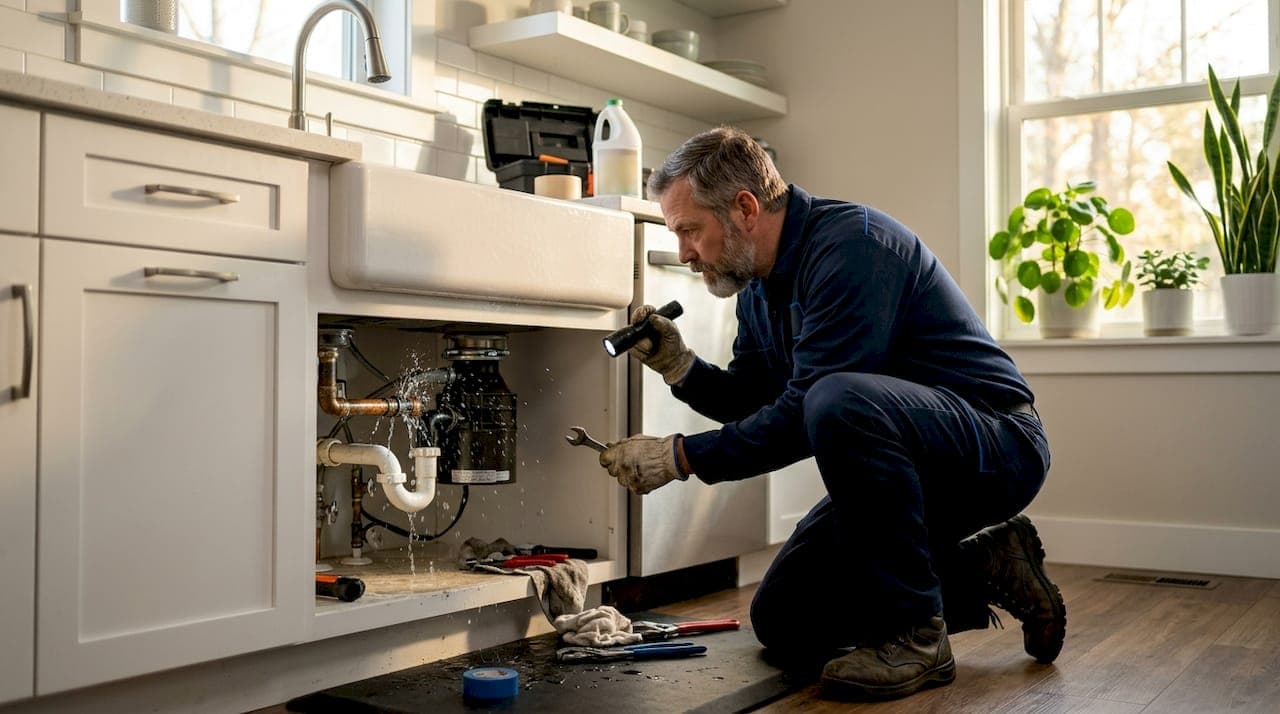
Emergency plumbing is the process of providing immediate response and critical repairs to urgent plumbing failures that threaten property safety and function. Understanding how emergency plumbing works helps you act faster, limit damage, and avoid costly mistakes when a crisis hits. Professional emergency services typically arrive within 60–120 minutes of a critical call. That window is tight, and what you do before the plumber arrives matters as much as the repair itself. This guide walks homeowners and business managers through the full process, from the first phone call to the final fix.
How does emergency plumbing work?
Emergency plumbing is the industry's term for urgent, unscheduled callout services that address plumbing failures posing an immediate risk to safety or property. The process follows a clear sequence: you call, the dispatcher triages your situation, a licensed plumber is dispatched, and the technician stabilises the problem on arrival. Every step is designed to stop damage from spreading.
The urgency is real. Delayed responses to plumbing issues can push repair costs beyond $500, and that figure climbs fast when water reaches walls, flooring, or electrical systems. Speed is not just a convenience. It is the difference between a contained repair and a full renovation.
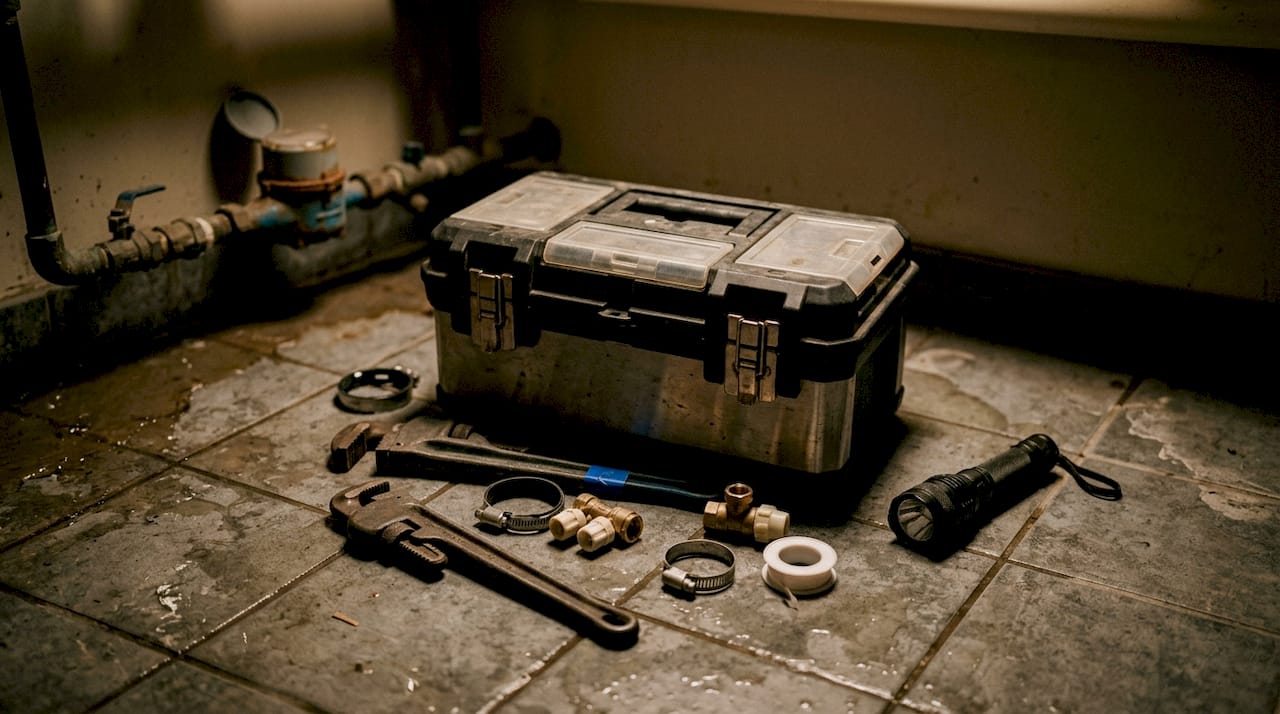
Emergency plumbing services cover a wide range of failures. Burst pipes, active flooding, sewage backups, and gas leaks all qualify. So do situations where a failure threatens a vulnerable person's safety, such as in aged care or disability care facilities. The defining factor is not the size of the problem. It is the risk it creates if left unaddressed.
What qualifies as a plumbing emergency?
Not every dripping tap needs a midnight callout. Knowing which situations genuinely require emergency plumbing services helps you make the right call without delay.
The most common plumbing emergencies include:
- Burst pipes causing active flooding inside walls or under floors
- Sewage backups pushing waste into bathrooms, kitchens, or laundries
- Gas leaks detected by smell or a hissing sound near gas lines or appliances
- Complete loss of water supply affecting an entire property
- Blocked drains causing overflow that threatens flooring or structural materials
- Hot water system failures in facilities where vulnerable residents depend on hot water
Emergency calls are triaged with active burst pipes and gas leaks receiving the highest priority over less urgent issues such as water heater faults. This triage system exists because some failures create compounding risks within minutes, while others can safely wait until business hours.
When you call, the dispatcher will ask specific questions: Where is the water coming from? Can you see the source? Is the gas still on? Have you shut off any valves? Answer these clearly and concisely. The more accurate your description, the better the plumber can prepare before arriving.
Pro Tip: Before you call, take 60 seconds to locate the source of the problem and note whether water is still actively flowing. That single piece of information helps the dispatcher prioritise your call correctly.
The emergency plumbing response workflow
Understanding the step-by-step process removes the uncertainty that makes emergencies feel worse than they are.
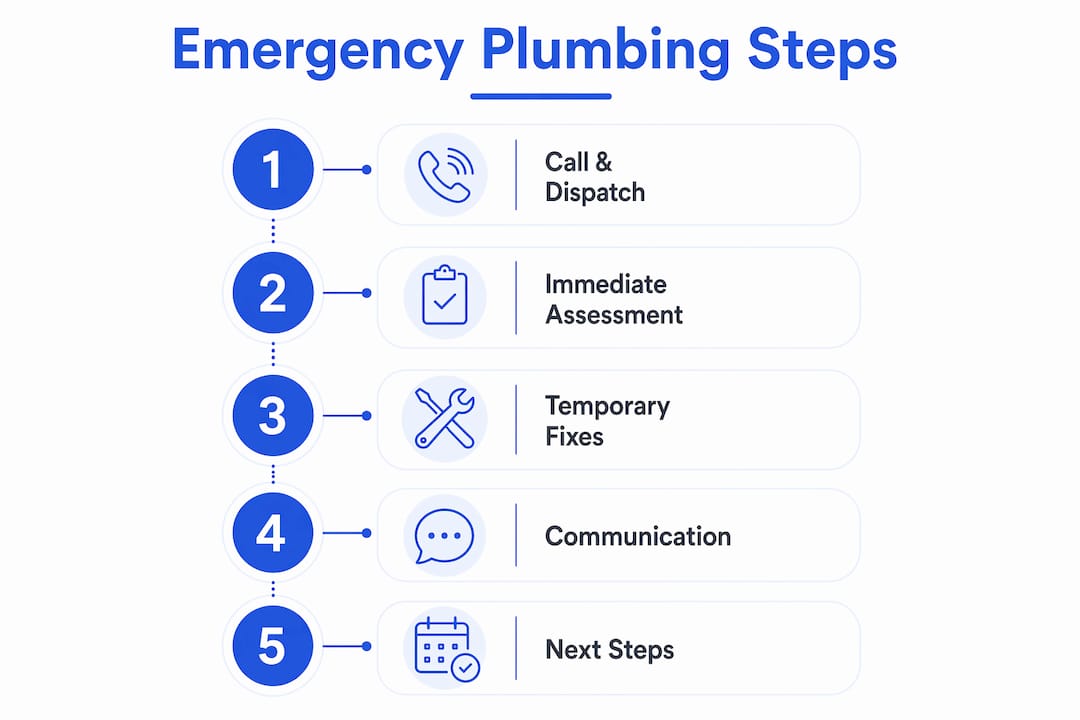
Step 1: The call and dispatch
When you call an emergency plumbing service, the dispatcher logs your address, confirms the nature of the fault, and assigns the nearest available licensed plumber. Dispatch time refers to the moment a technician is assigned. Arrival time depends on their real-time location and traffic conditions. These are two different things, and confusing them leads to frustration. Ask the dispatcher for an estimated arrival time, not just confirmation that someone has been dispatched.
Step 2: Arrival and immediate assessment
On arrival, the plumber's first priority is to stop active water flow or secure any gas hazard. This is not the time for a full diagnosis. The goal is containment. Stopping water flow quickly prevents cascading damage including mould growth, drywall rot, and electrical shorts. Every minute of active flooding increases the scope of secondary repairs.
Step 3: Stabilisation and temporary fixes
If permanent repairs cannot be completed after hours due to parts availability or the scale of the work, the plumber performs stop-gap fixes. Temporary measures such as pipe clamping or valve isolation stabilise the fault until full repairs are possible. This is standard practice, not a shortcut. A good plumber will explain exactly what the temporary fix achieves and when the permanent repair needs to happen.
Step 4: Communication and next steps
Before leaving, the plumber should give you a clear account of what was found, what was done, and what comes next. Get this in writing if possible. A verbal summary is useful, but a written job report protects you if disputes arise later.
| Stage | What happens | Your role |
|---|---|---|
| Call and dispatch | Dispatcher triages and assigns a plumber | Describe the fault clearly and accurately |
| Arrival | Plumber contains the immediate hazard | Keep the area clear and safe |
| Stabilisation | Stop-gap fix applied if needed | Confirm you understand the temporary fix |
| Follow-up repair | Permanent repair scheduled | Book promptly to avoid further damage |
Pro Tip: Ask the plumber to confirm whether the fix is temporary or permanent before they leave. A temporary fix that is mistaken for a permanent repair is one of the most common sources of repeat callouts.
What to do when a plumbing emergency hits
Your actions in the first few minutes of a plumbing emergency directly affect the cost and complexity of the repair. The right steps are straightforward.
- Shut off the water at the nearest isolation point. Knowing your individual shut-off valves allows you to isolate a leaking fixture without cutting water to the entire property. The main shut-off is a last resort, not the first move.
- Turn off electricity to affected areas. Water and electricity are a dangerous combination. Switch off the circuit breaker for any room where water is present or suspected.
- Ventilate if you smell gas. Open windows and doors, do not operate any switches or appliances, and leave the building. Call your gas provider and then your emergency plumber.
- Document everything. Take photos and short videos of the fault, the affected area, and any visible damage. This record supports insurance claims and helps the plumber diagnose the problem faster.
- Call emergency plumbing services immediately. Do not wait to see if the problem resolves itself. Active leaks and sewage backups do not self-correct.
Business managers face an additional consideration: staff and customer safety. Clear the affected area before doing anything else. A wet floor in a commercial kitchen or aged care facility creates liability that goes well beyond the plumbing repair itself.
Pro Tip: Photograph your property's water meter, main shut-off valve, and individual fixture valves now, before any emergency occurs. Store the photos on your phone. You will not have time to search for them when water is pouring through the ceiling.
Understanding the cost of emergency plumbing
Emergency plumbing costs more than a scheduled repair. That is not a surprise tactic. It reflects the real cost of providing immediate availability around the clock.
After-hours service fees and higher labour rates are standard across the industry because emergency plumbers maintain fully stocked service vehicles and remain on call at all hours. A plumber who arrives at 2:00 AM with the right parts and tools has invested significantly in that readiness. You are paying for that investment.
What to expect in an emergency plumbing quote:
- Callout fee: A fixed charge for the plumber attending, regardless of the work performed
- After-hours loading: A percentage or flat rate added to labour costs outside standard business hours
- Labour rate: Charged per hour or per job, depending on the provider
- Parts and materials: Priced at cost plus a margin, particularly for parts sourced after hours
| Cost component | Standard hours | After-hours |
|---|---|---|
| Callout fee | Lower or waived | Higher fixed fee |
| Labour rate | Standard rate | Loaded rate applies |
| Parts | Standard pricing | Premium may apply |
| Stop-gap fix | Included in labour | Included in labour |
Request a written estimate before authorising any work beyond the initial containment. A reputable emergency plumbing service will provide upfront pricing and will not proceed with major repairs without your approval. If a provider refuses to give you a clear cost breakdown, that is a warning sign.
Key takeaways
Emergency plumbing works by rapidly containing urgent plumbing failures, applying temporary fixes where needed, and scheduling permanent repairs to prevent secondary damage and safety risks.
| Point | Details |
|---|---|
| Response time matters | Professional emergency plumbers arrive within 60–120 minutes; acting fast limits secondary damage. |
| Triage determines priority | Gas leaks and burst pipes receive the highest priority over less urgent faults. |
| Temporary fixes are standard | Stop-gap measures stabilise the fault after hours until permanent repairs are possible. |
| Know your shut-off valves | Isolating individual fixtures keeps water available elsewhere and limits the scope of damage. |
| Upfront pricing is non-negotiable | Always request a written cost breakdown before authorising work beyond initial containment. |
What I have learned from years of emergency callouts
After years of responding to plumbing emergencies across the Mornington Peninsula, the pattern I see most often is not the burst pipe or the sewage backup. It is the homeowner who waited too long to call.
Water moves fast. A slow leak behind a wall can saturate insulation, rot timber framing, and create mould colonies in under 48 hours. By the time the smell becomes obvious, the repair bill has tripled. The emergency plumbing call that feels expensive at midnight is almost always cheaper than the remediation bill that follows a week of inaction.
The other mistake I see regularly is shutting off the main water supply when only one fixture is the problem. Cutting all water to a property is disruptive, particularly in a business or care facility. Knowing where your individual isolation valves are located is one of the most practical things you can do before an emergency happens. It takes ten minutes to find them and photograph them. That ten minutes can save hours of disruption.
One more thing: do not be afraid to ask the attending plumber direct questions. What is the temporary fix? When does it need to be replaced? What will the permanent repair cost? A good tradesperson will answer all of these clearly. If they cannot or will not, that tells you something important about the service you are receiving.
— Mike
Dualflowservices: emergency plumbing on the Mornington Peninsula
When a plumbing crisis hits, you need a licensed tradesperson on site fast, with the right parts and a clear plan.
Dualflowservices provides 24/7 emergency plumbing callouts across the Mornington Peninsula, serving homeowners, business managers, aged care facilities, and disability care homes. Every service vehicle is fully stocked for immediate repairs. Pricing is transparent before any work begins. Whether the job needs a stop-gap fix tonight or a permanent repair scheduled for tomorrow, Dualflowservices handles both with the same standard of care. Contact Dualflowservices directly for emergency plumbing support any time of day or night.
FAQ
What counts as a plumbing emergency?
A plumbing emergency is any fault that poses an immediate risk to safety or property, including burst pipes, active flooding, gas leaks, sewage backups, and complete loss of water supply.
How fast does an emergency plumber arrive?
Professional emergency plumbers typically arrive within 60–120 minutes of a critical call, depending on location and traffic conditions at the time of dispatch.
What should I do first in a plumbing emergency?
Shut off the water at the nearest isolation valve, switch off electricity to affected areas, document the damage with photos, and call an emergency plumbing service immediately.
Why does emergency plumbing cost more?
Emergency pricing reflects after-hours availability, higher labour rates, and the cost of maintaining a fully stocked service vehicle ready to respond at any hour.
What is a stop-gap fix in emergency plumbing?
A stop-gap fix is a temporary repair, such as pipe clamping or valve isolation, used to stabilise a fault after hours when parts or time do not allow for a permanent repair that night.