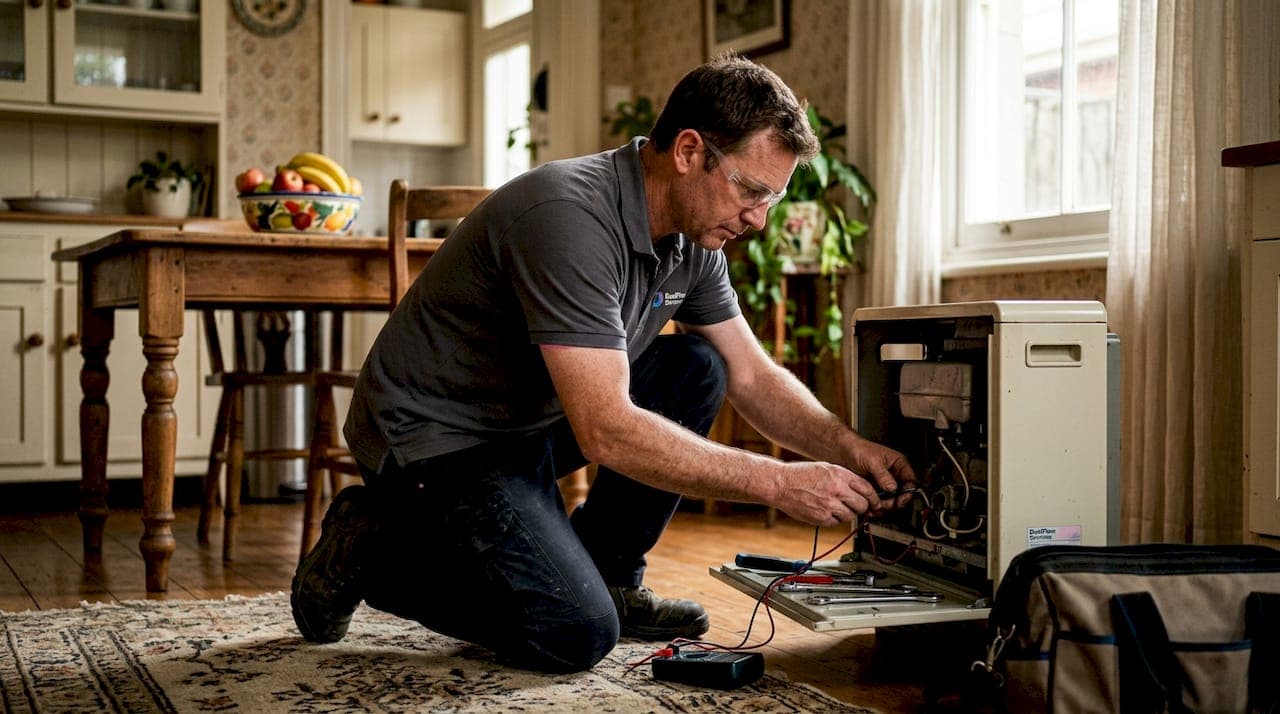
Gas heater safety inspections are thorough examinations by licensed gasfitters to verify that gas heating appliances are safe, efficient, and compliant with Victorian regulations. These inspections sit at the heart of why gas heater safety inspections matter: they catch faults that no homeowner or business operator can detect by simply looking at the unit. Energy Safe Victoria recommends servicing gas heaters at least every two years, with annual servicing for heavily used or pre-2008 models. The stakes are high. Carbon monoxide poisoning, gas leaks, and house fires are all preventable outcomes of regular, professional inspection.
What do gas heater safety inspections involve?
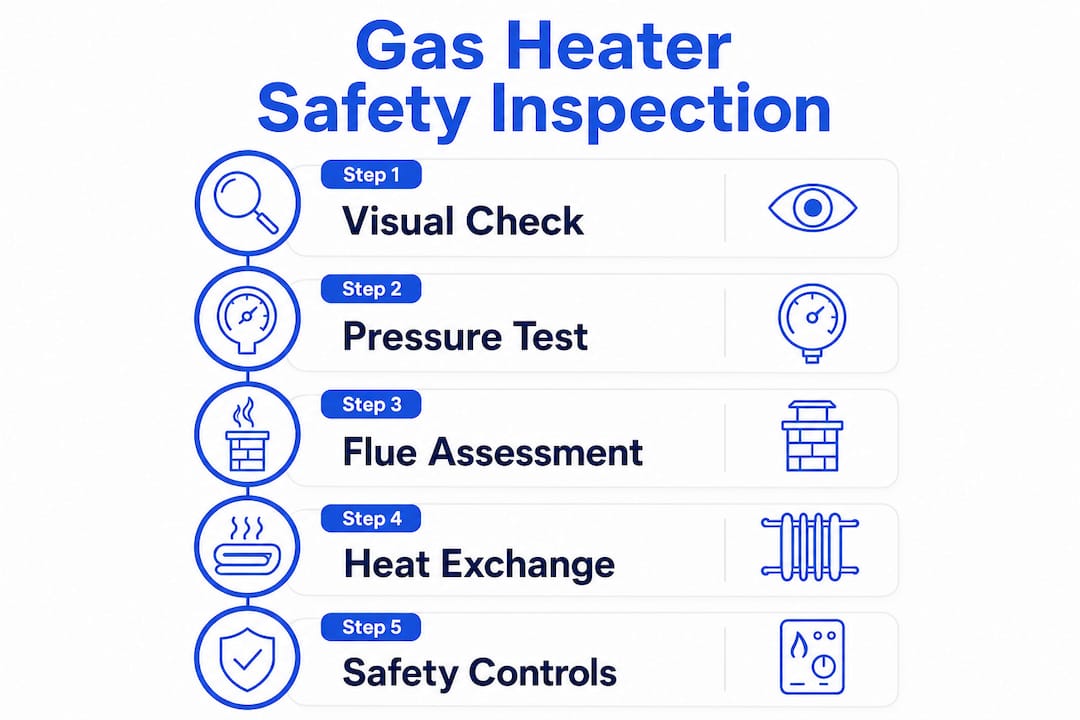
A professional gas heater inspection covers far more than a quick visual check. The industry term for this work is a "gas appliance service and safety inspection," and it follows the requirements set out in AS/NZS 5601, the Australian standard for gas installations. Here is what a licensed gasfitter examines during a thorough inspection.
-
Exterior condition and clearances. The gasfitter checks the appliance casing for damage, confirms that flammable materials are not stored too close to the unit, and verifies that the installation still meets the clearance distances required by AS/NZS 5601.
-
Ventilation and flue pathways. Blocked or deteriorated flues are one of the most common causes of carbon monoxide spillage indoors. The gasfitter inspects the entire flue system for blockages, corrosion, and correct draught.
-
Burners, heat exchangers, and seals. Cracked heat exchangers and faulty burners allow combustion gases to mix with room air. The gasfitter inspects each component and tests for leaks at seals and joints.
-
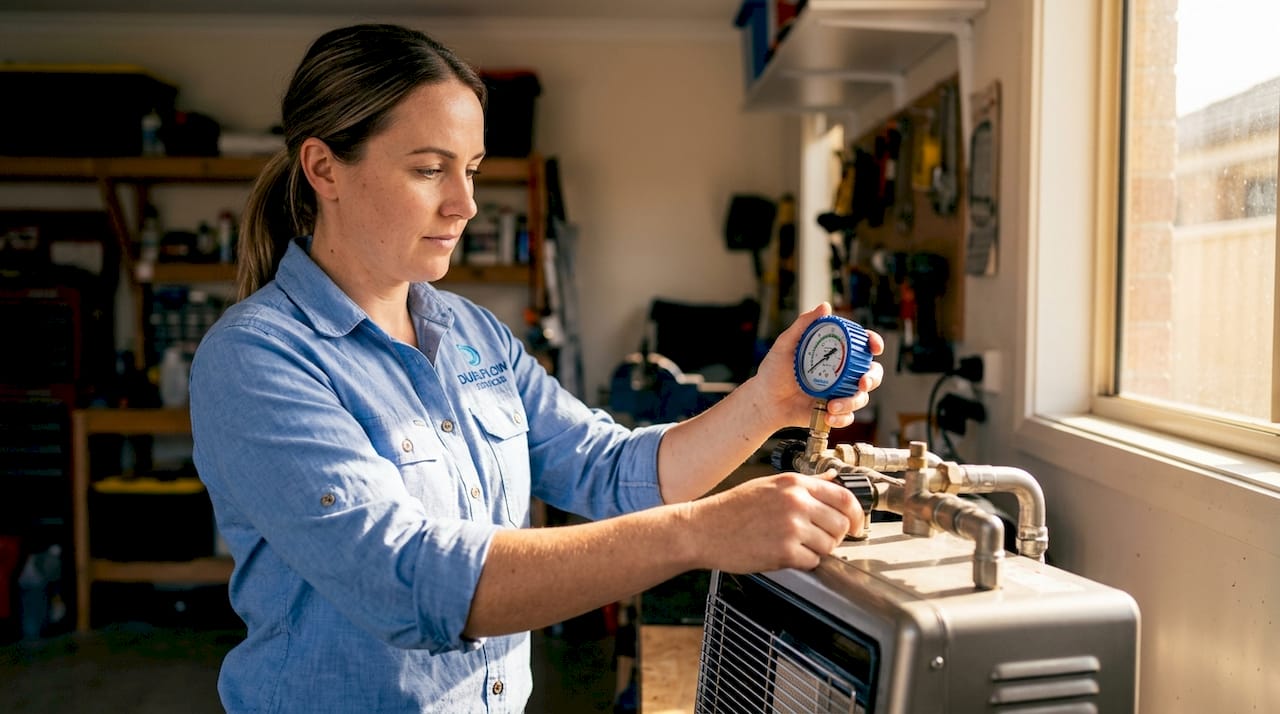
Gas pressure and combustion quality. Digital manometers measure inlet and manifold pressure to confirm the appliance is operating within the manufacturer's specification and AS/NZS 5601 tolerances.
-
Safety controls and ignition systems. Thermocouples, flame failure devices, and ignition systems are tested to confirm they shut the appliance down safely if combustion fails.
Only a licensed gasfitter is legally permitted to carry out these tests in Victoria. A service that skips pressure and flue checks is not a compliant inspection. Proper servicing includes technical tests, component inspections, and detailed written reporting.
Pro Tip: Ask your gasfitter for a written service report after every inspection. If a report lists only cosmetic observations and no pressure readings, the inspection was incomplete.
Why are regular gas heater inspections vital for safety?
Carbon monoxide poisoning is the most serious risk associated with faulty gas heaters. Carbon monoxide is colourless and odourless, so professional inspection is the only reliable way to identify incomplete combustion before it harms anyone. Symptoms of exposure, including headaches, nausea, and confusion, are often mistaken for flu, which means the source goes unaddressed.
Beyond carbon monoxide, regular inspections protect against several other serious hazards.
- Gas leaks and fire risk. Damaged pipes, corroded fittings, and deteriorated seals can allow gas to accumulate. A licensed gasfitter pressure-tests the system to find leaks that are invisible to the naked eye.
- Flue spillage. Open-flued heaters are particularly prone to drawing combustion gases back indoors when ventilation is inadequate. Inspections confirm that flue draught is working correctly.
- Efficiency losses. Deteriorating burners and heat exchangers force the appliance to burn more gas to produce the same heat output. Early detection of these issues prevents rising energy bills and avoids sudden appliance failure mid-winter.
- Regulatory non-compliance. Rental property owners in Victoria face specific legal obligations. Failing to meet them exposes landlords to penalties under the Residential Tenancies Regulations 2021.
Carbon monoxide alarms are a useful backup, but they do not replace professional servicing. Detectors should be installed near sleeping areas, tested monthly, and replaced every five to seven years. Think of them as a last line of defence, not a substitute for the inspection itself.
How often should gas heaters be inspected in Victoria?
The servicing frequency depends on appliance age, usage, and whether the property is owner-occupied or rented.
| Scenario | Recommended frequency | Regulatory basis |
|---|---|---|
| Standard residential heater, post-2008 | Every 2 years | Energy Safe Victoria guideline |
| Heavily used or pre-2008 model | Annually | Energy Safe Victoria guideline |
| Rental property (CO testing) | Every 2 years | Residential Tenancies Regulations 2021 |
| Aged care and disability care facilities | Annually or as required | Facility duty-of-care obligations |
Rental properties in Victoria must have gas heaters carbon monoxide tested every two years under the Residential Tenancies Regulations 2021. This is a legal requirement, not a recommendation. Landlords who cannot produce current service records risk enforcement action and, more seriously, tenant harm.
Appliance age matters more than most owners realise. A pre-2008 heater has been running for at least 18 years. Components degrade, seals harden, and heat exchangers develop micro-cracks that are invisible without close inspection. Annual servicing for these units is not excessive caution. It is the minimum standard.
Pro Tip: Book your inspection in late summer, before the heating season begins. Gasfitters are less busy in february and march, which means shorter wait times and no risk of heading into winter with an uninspected appliance.
What to do if your gas heater fails inspection or shows warning signs
Recognising a fault early gives you options. Waiting until the appliance stops working entirely removes them. The following warning signs indicate that a gas heater needs professional attention immediately.
- A yellow or orange flame instead of a steady blue flame. This indicates combustion problems and possible incomplete burning of gas.
- An unusual smell, particularly a sulphur or rotten-egg odour, which signals a gas leak.
- Soot marks or black staining around the appliance, which suggest combustion gases are escaping into the room.
- Reduced heating output despite the appliance running at full capacity.
- Pilot lights that repeatedly extinguish or ignition systems that fail to light reliably.
If you smell gas, act immediately. Turn off the appliance at the isolation valve, open windows and doors, leave the building, and call a licensed gasfitter. Do not use light switches, mobile phones, or any electrical device inside the building until the area is clear.
When an inspection reveals a fault, the gasfitter will advise on repair versus replacement. Minor issues such as a worn thermocouple or a dirty burner are straightforward repairs. A cracked heat exchanger in an older unit often makes replacement the more cost-effective decision. Get the recommendation in writing, along with the specific fault identified.
Strata and rental property managers must document all inspection outcomes and retain service reports. These records demonstrate compliance and protect all parties if a dispute or incident arises.
Pro Tip: Never attempt to clean burners, adjust gas pressure, or repair flue components yourself. Gas work in Victoria is licensed work. DIY repairs are illegal and void your appliance warranty.
Key takeaways
Gas heater safety inspections are the single most effective way to prevent carbon monoxide poisoning, gas leaks, and appliance failure in Victorian homes and businesses.
| Point | Details |
|---|---|
| Inspection frequency | Service every 2 years minimum, annually for pre-2008 or heavily used units. |
| Rental property obligations | Victorian law requires CO testing every 2 years under the Residential Tenancies Regulations 2021. |
| Carbon monoxide risk | CO is undetectable without instruments; only a licensed gasfitter can confirm safe combustion. |
| Warning signs | Yellow flames, soot marks, and unusual smells require immediate professional attention. |
| Written reports matter | Always request a detailed service report that includes pressure readings and component findings. |
What I've seen after years of gas heater inspections
The faults that concern me most are the ones that give no obvious warning. A homeowner runs their heater every winter for a decade, notices nothing unusual, and assumes everything is fine. Then an inspection reveals a cracked heat exchanger that has been leaking combustion gases into the living room for years. The family had been experiencing low-level carbon monoxide exposure without connecting it to the heater.
The other pattern I see regularly is landlords who treat the two-year CO test as a box-ticking exercise. They book the cheapest available service, receive a one-page report with no pressure readings, and consider the obligation met. That is not a compliant inspection. A thorough service takes time, uses calibrated instruments, and produces a report that actually documents what was found.
My advice to every homeowner and property manager in Victoria is this: treat the inspection as an investment in the appliance, not a cost to minimise. A $200 service that catches a failing heat exchanger saves you from a $2,000 emergency replacement and, far more importantly, protects the people inside the building. Choose a licensed gasfitter who provides written reports, not just a verbal "all good." The difference between a thorough inspection and a superficial one is not always visible on the invoice. Ask for the details.
— Mike
Gas heater inspections on the Mornington Peninsula with Dualflowservices
Dualflowservices provides licensed gas heater safety inspections across the Mornington Peninsula and greater Victoria, covering residential homes, commercial premises, aged care facilities, and rental properties.

Every inspection follows AS/NZS 5601 standards and includes gas pressure testing, flue assessment, heat exchanger checks, and a written service report. Dualflowservices handles scheduled maintenance and emergency call-outs, so you are covered whether you are planning ahead or dealing with an urgent fault. Book your gas heater inspection before the heating season to avoid mid-winter disruptions and confirm your appliance meets Victorian compliance requirements.
FAQ
How often should a gas heater be serviced in Victoria?
Energy Safe Victoria recommends servicing gas heaters at least every two years, with annual servicing for pre-2008 models or units in heavy use.
What does a gas heater safety inspection check?
A licensed gasfitter inspects burners, heat exchangers, flue pathways, gas pressure, seals, and safety controls, then provides a written report of findings.
Are landlords in Victoria required to inspect gas heaters?
Yes. The Residential Tenancies Regulations 2021 require rental properties to have gas heaters carbon monoxide tested every two years.
What are the warning signs of a faulty gas heater?
Yellow or orange flames, soot marks around the appliance, unusual smells, and reduced heating output all indicate combustion or ventilation faults requiring urgent inspection.
Can I service my own gas heater in Victoria?
No. Gas appliance work in Victoria is legally restricted to licensed gasfitters. DIY servicing is illegal and voids appliance warranties.