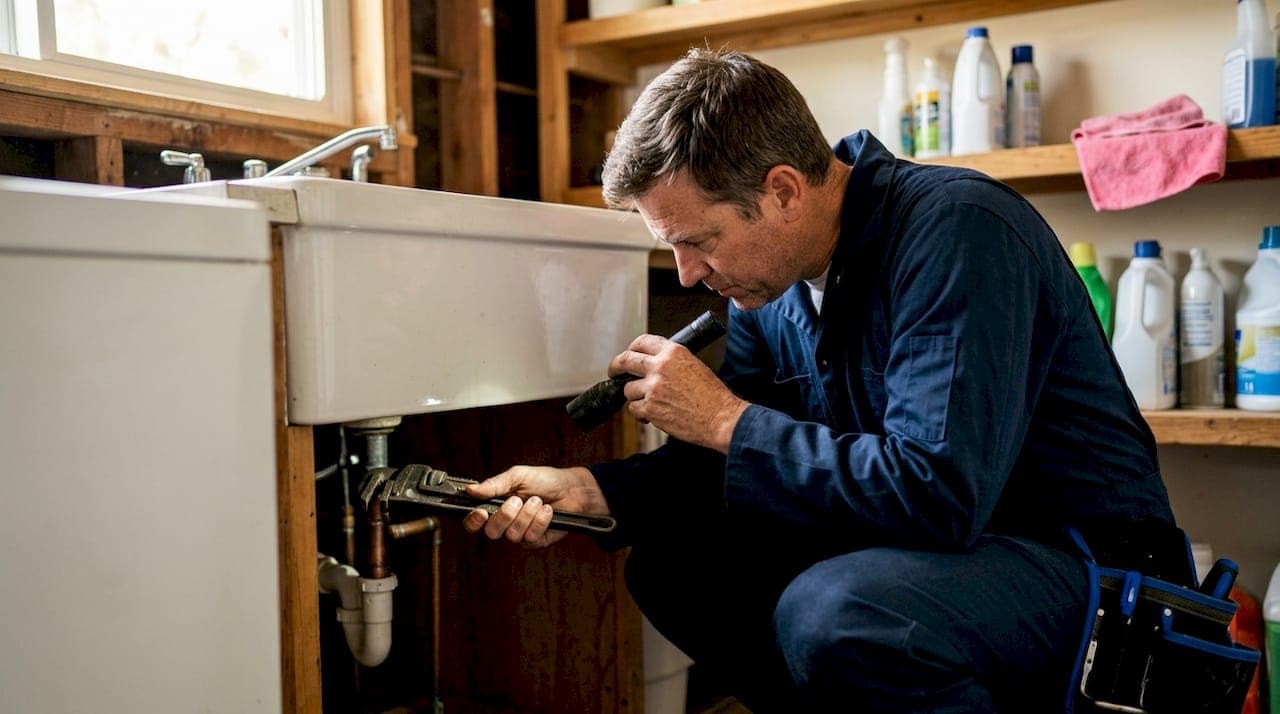
A plumbing inspection is a systematic assessment of your property's plumbing infrastructure, carried out by a licensed plumber to detect faults, verify compliance, and prevent costly failures. The process covers water supply lines, drainage systems, fixtures, and hot water units using both visual checks and advanced diagnostic tools. For homeowners and property managers on the Mornington Peninsula and across Victoria, understanding what this service involves makes the difference between catching a slow leak early and facing a flooded subfloor. This guide explains the plumbing inspection process, what to expect, how to prepare, and why scheduling one proactively is the smarter financial decision.
What does the plumbing inspection process involve?
A professional plumbing inspection follows a structured sequence. Licensed plumbers work through each subsystem methodically, rather than responding to a single complaint. The three core areas are the water supply system, the drain-waste-vent (DWV) system, and all fixtures and appliances.
The inspection typically proceeds in this order:
- Water supply assessment. The plumber checks incoming pressure, pipe condition, and valve operation. Water pressure testing is essential here. The ideal range is 40–80 PSI. Readings outside that range point to blockages, leaks, or deteriorating pipes.
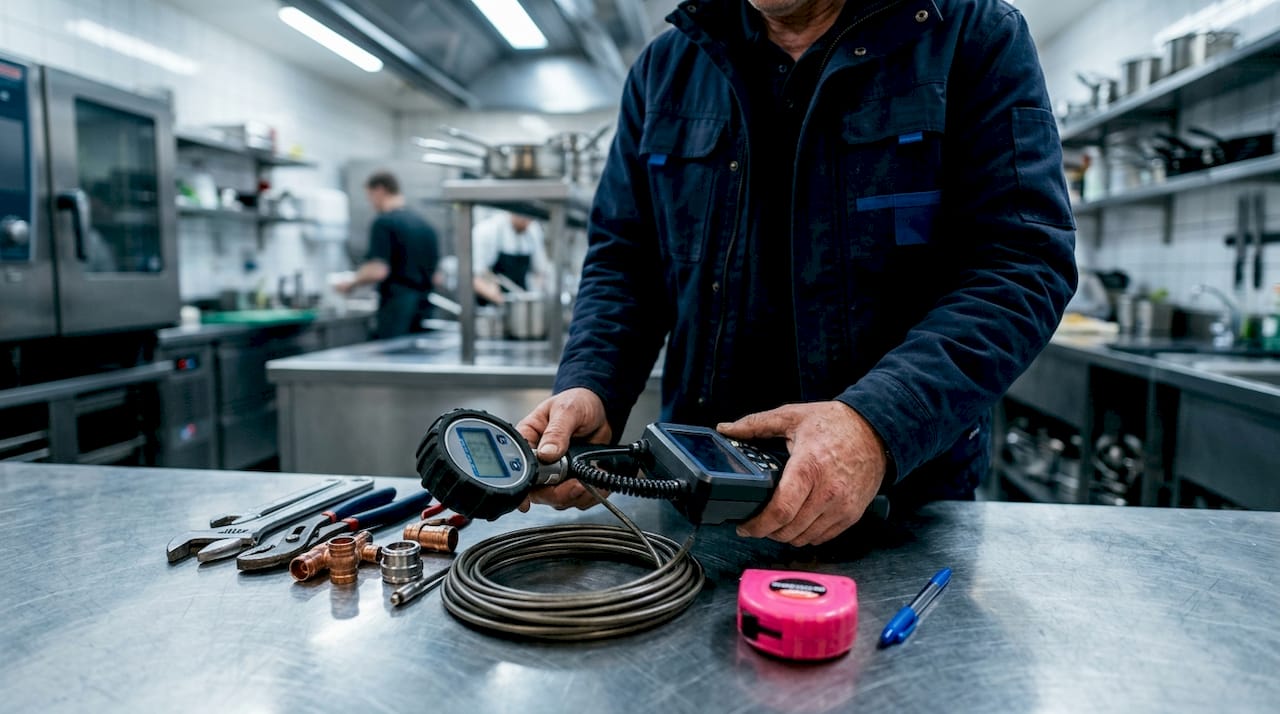
- Drain-waste-vent inspection. The DWV system carries waste out and allows sewer gases to escape safely. Plumbers check for blockages, root intrusion, and pipe pitch using video pipe cameras, pressure gauges, and flow metres. These tools locate hidden problems that no visual check can find.
- Fixture and appliance checks. Taps, toilets, showers, and hot water units are tested for leaks, correct operation, and wear. Water heaters are critical inspection points, covering age, pressure relief valve condition, and sediment buildup.
- Regulatory compliance verification. For new installations, Australian building codes require three distinct stages: underground rough-in, above-ground rough-in, and final fixture inspection. New plumbing installations require three inspection stages before sign-off is granted.
A standard residential inspection lasts between 2 to 4 hours. Larger or older properties with complex systems take longer. Simple rough-in checks on new builds can take as little as 30 minutes.
Pro Tip: Never cover new plumbing work before it passes a rough-in inspection. Covering work prematurely forces costly demolition of walls and ceilings just to allow re-inspection. It is one of the most avoidable expenses in any renovation.
Why are plumbing inspections important for homeowners and property managers?
Early detection is the core value of a plumbing inspection. A slow leak behind a wall causes no obvious damage for months. By the time water stains appear, the structural timber, insulation, and plasterboard may already be compromised. Catching that leak during a routine inspection costs a fraction of what remediation does later.
Water waste is a direct financial loss. Household leaks waste almost 10,000 gallons of water per year on average. That volume translates directly to inflated water bills and unnecessary strain on the supply system. Early detection through inspection stops that waste before it compounds.
Regular plumbing inspections shift your maintenance approach from reactive to proactive. Instead of responding to emergencies, you budget for known repairs, schedule work at convenient times, and avoid the premium costs that come with urgent call-outs.
Property managers carry additional responsibilities. Routine inspections help property managers maintain tenant satisfaction, manage operating costs, and protect long-term asset value. A plumbing failure in a tenanted property creates liability, disrupts occupants, and can trigger insurance complications. Scheduled inspections reduce all three risks.
The specific benefits for homeowners and property managers include:
- Cost control. Identifying minor faults before they escalate keeps repair bills predictable and manageable.
- Property value protection. A well-maintained plumbing system is a documented asset when selling or refinancing.
- Compliance assurance. Australian plumbing standards require licensed work and correct installation. Inspections confirm your system meets those requirements.
- Tenant satisfaction. Functioning plumbing is a basic expectation. Proactive maintenance reduces complaints and tenancy disputes.
- Insurance standing. Documented maintenance records support claims and demonstrate due diligence to insurers.
Switching from reactive repairs to a proactive inspection routine helps homeowners budget repair costs and avoid emergencies. The mindset shift is straightforward: treat inspections as scheduled maintenance, not as a response to failure.
How to prepare for a plumbing inspection and what to expect during it
Timing your inspection correctly matters as much as having one at all. The most effective times to schedule are before purchasing a property, after a flood or significant structural movement, and as part of a routine annual or biennial maintenance programme. Each scenario carries different risks, and a licensed plumber tailors the inspection focus accordingly.
Before the plumber arrives, you can take practical steps to make the inspection thorough and efficient:
- Clear access to under-sink cabinets, the hot water unit, roof space entry points, and any external drainage pits.
- Note any symptoms you have observed: slow drains, gurgling sounds, water stains on ceilings or walls, low pressure, or unusual odours near drains.
- Locate your water metre and main shutoff valve. The plumber will need to access both.
- If the property has had recent renovations, have any relevant permits or compliance certificates ready.
During the inspection, the plumber will move through each area systematically. You are not required to follow along, but staying available to answer questions about the property's history is helpful. The plumber will document findings, photograph problem areas, and produce a written report outlining faults, their severity, and recommended actions.
Common signs that warrant an unscheduled inspection include persistent slow drains, unexplained increases in water bills, damp patches on walls or floors, and sulphur or sewage odours inside the property. Each of these points to a specific type of fault that a licensed plumber can isolate and diagnose.
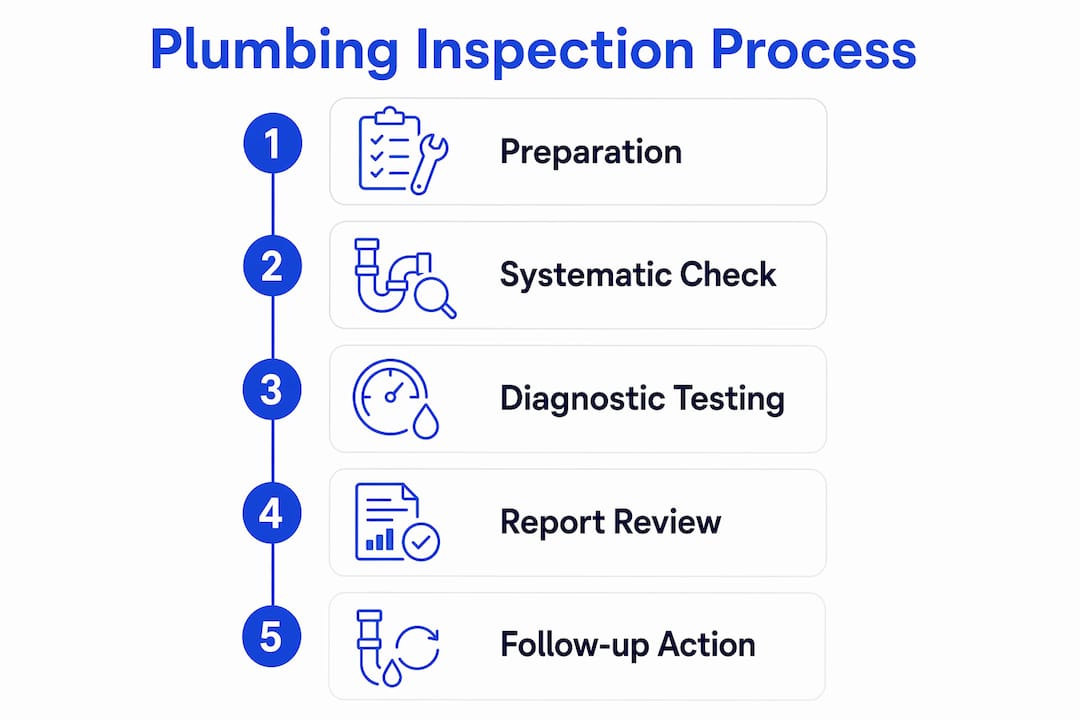
Pro Tip: Ask your plumber to walk you through the report findings in person before they leave. A verbal explanation of what was found, and why it matters, gives you far more context than a written report alone.
What are the differences between a general home inspection and a professional plumbing inspection?
General home inspectors assess a broad range of building systems in a single visit. Their scope covers structure, roofing, electrical, and plumbing at a surface level. A licensed plumber conducting a dedicated plumbing inspection goes significantly deeper into one system.
| Feature | General home inspection | Professional plumbing inspection |
|---|---|---|
| Scope | Whole property, surface level | Plumbing system only, full depth |
| Tools used | Visual check, basic moisture metre | Video cameras, pressure gauges, flow metres |
| Sewer line assessment | Rarely included | Standard component |
| Compliance verification | Not applicable | Checked against Australian plumbing standards |
| Fault detection depth | Visible issues only | Hidden leaks, pipe corrosion, root intrusion |
| Report detail | General condition summary | Fault-specific findings with severity ratings |
General home inspections often miss hidden leaks, pipe corrosion, or sewer line issues that only a specialised plumber can detect. This is not a criticism of general inspectors. Their role is breadth, not depth. The problem arises when property buyers or managers assume a general inspection is sufficient to clear the plumbing system.
Licensed plumbers employ diagnostic video cameras and pressure testing to discover hidden problems that are simply inaccessible to general inspectors. A camera run through the sewer line, for example, can reveal tree root intrusion, pipe collapse, or offset joints that would never appear in a visual walkthrough. These are exactly the faults that generate the largest repair bills.
The regulatory dimension also separates the two. Only a licensed plumber can certify that work meets Australian plumbing standards and issue the compliance documentation that councils and insurers require.
Key takeaways
A plumbing inspection is the most cost-effective way to protect your property, control maintenance budgets, and meet compliance obligations before problems force your hand.
| Point | Details |
|---|---|
| Definition and scope | A plumbing inspection is a licensed professional's full assessment of supply, drainage, fixtures, and compliance. |
| Inspection duration | Residential inspections typically take 2 to 4 hours depending on property size and system complexity. |
| Water waste impact | Undetected household leaks waste close to 10,000 gallons of water per year, driving up bills unnecessarily. |
| General vs professional | General home inspections miss hidden faults. Only a licensed plumber detects sewer issues, corrosion, and pressure problems. |
| Best times to schedule | Book before property purchase, after flooding or structural movement, or as part of routine annual maintenance. |
What I've learned after years of plumbing inspections on the Mornington Peninsula
The most common thing I hear from homeowners is some version of "I didn't think anything was wrong." That is exactly the problem. Plumbing fails quietly. A pinhole leak in a copper pipe behind a bathroom wall loses water for months before it shows up as a stain. By then, the damage is done.
The second most common thing I hear is surprise at how much a general building inspection missed. Buyers spend tens of thousands on a property, pay for a building inspection, and then discover six months later that the sewer line is cracked or the hot water unit is running at dangerous pressure. A dedicated plumbing inspection before settlement would have caught both.
My honest recommendation is to treat a plumbing inspection the same way you treat a car service. You do not wait for the engine to fail before you check the oil. Annual inspections for older properties and biennial checks for newer ones give you a clear picture of where your system is heading. That picture lets you plan and budget, rather than react and scramble.
The cost of an inspection is a fraction of what a burst pipe, a flooded subfloor, or a failed hot water unit costs in emergency repairs, temporary accommodation, and insurance excess. The maths are not complicated.
— Mike
Plumbing inspections from Dualflowservices
Dualflowservices provides licensed plumbing inspections across the Mornington Peninsula and surrounding areas of Victoria. Our plumbers carry out full system assessments covering water supply, drainage, fixtures, hot water units, and compliance with Australian plumbing standards.
Whether you are preparing for a property purchase, managing a rental portfolio, or simply overdue for a routine check, book a plumbing inspection with Dualflowservices and get a written report you can act on. We also cover emergency call-outs, scheduled maintenance, and hot water servicing for homeowners, business owners, aged care facilities, and disability care homes across the Peninsula.
FAQ
What is a plumbing inspection exactly?
A plumbing inspection is a licensed plumber's systematic evaluation of a property's water supply, drainage, fixtures, and hot water system. The goal is to identify faults, assess compliance, and recommend repairs before problems escalate.
How long does a residential plumbing inspection take?
A standard residential plumbing inspection takes between 2 to 4 hours. Simple checks on new installations can take 30 minutes, while full audits of large or older properties may take longer.
How often should I get a plumbing inspection?
Annual inspections are recommended for older properties, and biennial checks suit newer homes in good condition. Property managers benefit from scheduling inspections between tenancies or as part of a routine maintenance programme.
What are the signs I need a plumbing inspection now?
Slow drains, unexplained rises in water bills, damp patches on walls or ceilings, low water pressure, and sewage odours inside the property all indicate a fault that warrants an immediate inspection.
Can a general home inspection replace a plumbing inspection?
A general home inspection covers plumbing at a surface level only. It does not include sewer camera runs, pressure testing, or compliance verification. A licensed plumber conducting a dedicated inspection detects faults that a general inspector cannot access or assess.