Most sewer smells in a house come from a dried out P-trap or a failed toilet wax ring, and running water in unused drains for 30 seconds often clears it within minutes. If the smell persists across multiple fixtures, or you hear gurgling when you flush, the cause is more likely a blocked vent or a cracked sewer lateral. That situation requires a licensed plumber, not another bottle of drain cleaner.
TL;DR:
- A dry P-trap or failed wax ring in a fixture causes localized sewer smells that vanish after running water for 30 seconds.
- Smells that follow wind or rain indicate vent blockages or damaged vent stacks, requiring inspection of roof vents and possible professional repair.
- Persistent or widespread odors paired with gurgling toilets and slow drains suggest a main sewer line or vent system issue needing a licensed plumber's CCTV or smoke testing.
- Refilling all unused drains with water and adding mineral oil to floor drains can prevent odors temporarily, but ongoing symptoms likely need professional diagnosis.
- Regular maintenance tasks, such as testing cleanouts, sealing caps, and checking toilet stability, help prevent common causes of sewer odors in the home.
Table of Contents
- Diagnostic checklist: how to find where a sewer smell is coming from
- Quick fixes homeowners can try before calling a plumber
- When should you call a professional plumber?
- Preventing sewer smells before they start
- A tradesperson's take on sewer smells: what actually surprises homeowners
- Why the standard sewer smell advice sells homeowners short
- Book an emergency plumber or inspection with Dualflowservices
- Sources
- FAQ
Diagnostic checklist: how to find where a sewer smell is coming from
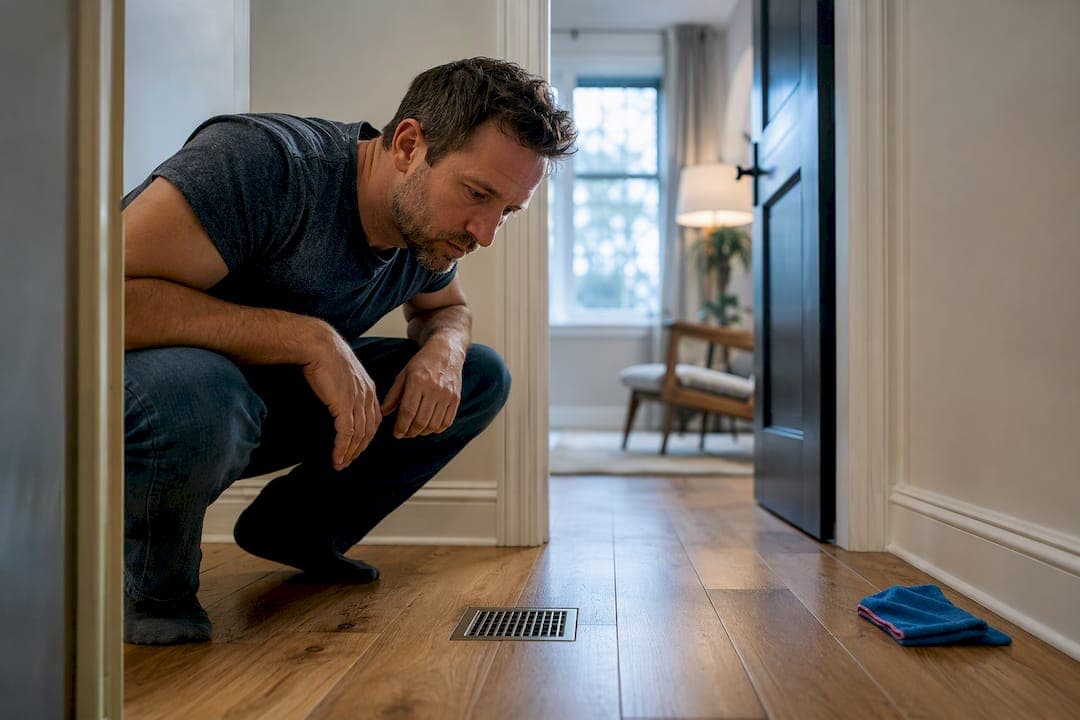
Before touching a single pipe, walk the house with your nose doing the work. Close internal doors, wait a minute for air to settle, then open each one and sniff near the floor and near any drain, tub or toilet base. The room where the smell hits hardest almost always points to the fixture responsible.
A smell concentrated at one sink, shower or floor drain usually means a local problem: a dry P-trap, a degraded seal, or gunk sitting in the drain line. A smell that seems to follow you through the whole house, especially paired with gurgling toilets or slow-draining tubs, suggests something bigger further down the system, whether that's a blocked or damaged sewer line or a vent stack issue.
Run through this sequence once you've located the general area:
- Run water in every sink, shower and tub for 30 seconds, one at a time, and note which fixtures still smell afterwards.
- Flush every toilet in the house and listen for gurgling, slow refill, or air bubbling back up.
- Pour a full jug of water down any floor drains, laundry drains or unused shower drains.
- Locate cleanout caps (usually a capped pipe near the laundry, under the house, or outside near the foundation) and check they're present and tightly sealed.
- Check whether the smell changes with weather. A sewer smell that shows up after rain, on windy days, or when the HVAC cycles on, is a strong clue pointing to venting rather than a simple dry trap.
That last point trips up a lot of homeowners, because it feels random. It isn't. Wind gusting across roof vent openings can create negative pressure that pulls sewer gas back through fixtures instead of letting it vent out. Hunter Water's guidance on sewer odours lists dry traps, blocked toilets or sewers, and blocked vents as the three most common household causes, and checking all three in that order is the fastest path to an answer.
- Single fixture, no gurgling: almost always a dry trap or a seal problem.
- Multiple fixtures, gurgling toilets, slow drainage: main line or vent issue.
- Smell tied to rain or wind: check vent stacks and roof penetrations.
- Smell only after long absences (holidays, spare bathrooms): dry trap is the near-certain cause.
Pro Tip: Keep a small notebook or phone note of exactly which fixtures smell and when. If you end up calling a plumber, that pattern (which drains, what weather, how long it's lasted) cuts diagnostic time significantly, because you've already done the elimination work for them.
Quick fixes homeowners can try before calling a plumber
Refilling a dry trap is the single most common fix, and it takes about 30 seconds per drain. Every fixture in your house, from the kitchen sink to the floor drain in the garage, has a curved section of pipe underneath holding a small reservoir of water. That water acts as a physical seal against sewer gas. If a drain isn't used for weeks (a guest bathroom, a laundry tub, a floor drain near a water heater), that water evaporates and the seal disappears.
- Run water into every rarely used sink, tub, shower and floor drain for 20 to 30 seconds.
- For floor drains that dry out fast, tip in a cup of water followed by a thin layer of mineral oil. The oil floats on top and slows evaporation dramatically, buying weeks instead of days.
- Check every toilet base by grabbing the bowl and gently rocking it. Any movement at all suggests the wax ring underneath has failed or the closet bolts have loosened.
- If the toilet rocks, tighten the closet bolts a quarter turn at a time, alternating sides, and check again. A toilet that still rocks after that, or one that's been rocking for a while, has likely already broken the wax seal and needs the ring replaced, not just tightened.
- Clear visible hair, soap scum or food debris from drain openings by hand or with a drain snake, rather than reaching for bleach.
That last point matters more than it sounds. Bleach does nothing to fix a dry trap, a failed wax ring or a blocked vent, and pouring it down a drain repeatedly can degrade rubber seals and pipe joints over time. Oatey's plumbing guidance is blunt about this: bleach masks a smell for an hour at best and does nothing about the structural cause underneath it.
Pro Tip: If you ever smell rotten eggs and gas at the same time and you're not certain which one it is, leave the house immediately and call your gas provider from outside. Sewer gas is unpleasant; natural gas is dangerous. Don't try to tell the difference by sniffing harder.
When should you call a professional plumber?
Stop troubleshooting and book an inspection if any of these show up:
- The smell returns within a day or two of refilling every trap in the house.
- More than one drain or toilet is affected at the same time.
- Toilets gurgle, bubble, or drain slower than usual.
- Water is backing up into a tub, shower or floor drain when you run another fixture.
- Anyone in the house reports headaches, dizziness or nausea that eases when they leave the room.
That last one is a genuine health signal, not just discomfort. Sewer gas contains hydrogen sulfide and methane, and at typical household concentrations it's mostly a nuisance. But persistent, strong exposure that produces physical symptoms means you ventilate immediately (open windows, leave doors open) and call a plumber the same day rather than waiting.
Once a plumber's on site, the diagnostics go well beyond what you can do with a jug of water. CCTV camera inspection feeds a waterproof camera down the sewer lateral to look for cracks, root intrusion, or a collapsed section, literally seeing what's happening metres underground without digging a trench first. Smoke testing or pressure testing does the equivalent job for your vent system, forcing smoke or air through the vent stack to reveal leaks or blockages that are invisible from inside walls or ceiling cavities.
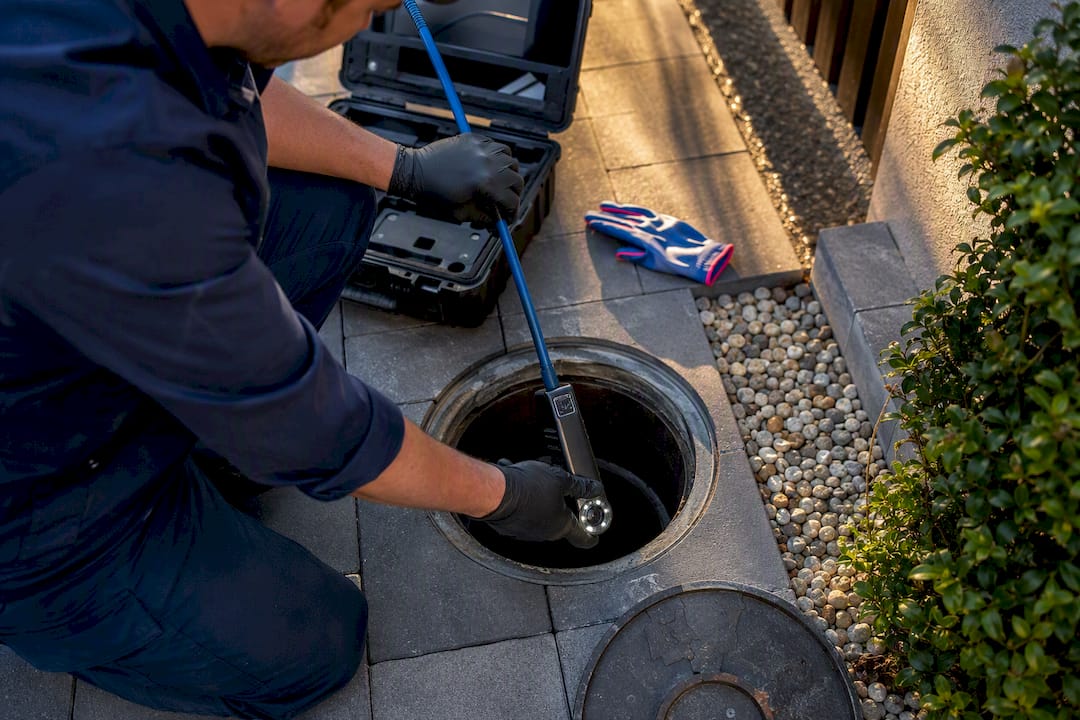
According to SERVPRO's guidance on sewage smells, a smell affecting multiple drains alongside sluggish drainage or gurgling is a clear signal to stop DIY attempts and order a full inspection, since jetting or a lateral repair is often needed to fix the underlying blockage. One diagnostic detail worth knowing before you book: camera inspections frequently reveal root intrusion or pipe offsets that repeated jetting alone won't permanently fix, so paying for the camera pass upfront can save you two or three callbacks down the track.
Common repairs that come out of these inspections include main-line clearing or hydrojetting, lateral relining or spot repair, wax ring replacement, and clearing or re-sleeving a blocked vent stack. Any work involving a confined space, sewage contamination, or structural pipe repair is a job for a licensed tradesperson, both for safety and because most of it isn't legal for a homeowner to do unsupervised. You can read more about when plumbing venting problems need professional attention if you want the mechanics behind why vents fail in the first place.
Preventing sewer smells before they start
A handful of habits stop most sewer odours from ever developing, and none of them cost much or take long.
- Run water in every rarely used drain (spare bathrooms, laundry tubs, floor drains) regularly, even if nobody's using that fixture.
- Top up fast-evaporating floor drain traps with a thin layer of mineral oil rather than letting them run dry between uses.
- Fit a trap primer to floor drains in basements or plant rooms where evaporation is a recurring problem. Many building codes actually require this in commercial and aged care settings.
- Use drain strainers in showers, sinks and laundry tubs to stop hair and debris building up into blockages over months.
- Check cleanout caps and roof vent openings after major storms, since debris and wind damage both show up here first.
- When installing or replacing a toilet, get the flange height right and make sure the bowl is mounted securely. A toilet that isn't seated properly stresses the wax ring from day one.
| Maintenance task | How often | Why it matters |
|---|---|---|
| Run unused drains | Every 2 to 4 weeks | Stops P-traps drying out and losing their seal |
| Inspect toilet base for rocking | Every few months | Catches wax ring failure before it leaks gas |
| Check cleanout caps | After storms, or twice yearly | Confirms caps are sealed and undamaged |
| Schedule a plumbing check | Annually | Catches vent, lateral and trap issues early |
Routines like these, running dry fixtures regularly, using strainers, booking an annual plumbing check, prevent most recurrent sewer odours according to SERVPRO's household guidance. If your yard drainage or retaining wall setup pushes water toward the house during heavy rain, that's worth a look too. Poor external drainage can put extra hydraulic pressure on underground pipework, and a proper drainage checklist for retaining walls and yard grading is a useful reference if you've noticed smells tracking with rainfall.
A tradesperson's take on sewer smells: what actually surprises homeowners
Mike, a trades professional, sees the same few culprits on almost every call-out: uncapped cleanouts hidden behind renovations, vent stacks blocked by leaves or nesting birds, and wax rings that failed months before anyone noticed.
Before a plumber arrives, ventilate the space, note which rooms smell strongest, and avoid pouring anything down the drain that isn't plain water.
Why the standard sewer smell advice sells homeowners short
Most guides on sewer smells stop at "check your traps and call a plumber if it doesn't work." That's not wrong, but it skips the part that actually saves people money: pattern recognition. A smell that comes and goes with wind or rain is a different problem to a smell that's constant, and treating them the same way wastes a service call.
The conventional advice also underplays how often a rocking toilet gets tightened instead of properly reseated. Tightening bolts buys time; it doesn't fix a wax ring that's already lost its seal. Homeowners who stop there often find the smell back within weeks, more frustrated than before.
If there's one thing worth prioritising above the rest, it's the weather test. Watching whether a smell tracks with rain, wind or your HVAC cycling tells you more in five minutes than an hour of pouring water down drains. Get that pattern right, and you'll know within the first ten minutes of troubleshooting whether you're dealing with a five-minute fix or a job for someone with a camera and a jetting rig.
— Mike
Book an emergency plumber or inspection with Dualflowservices
Homeowners in the Mornington Peninsula can use a single call to resolve the kind of problem this article covers, instead of chasing separate specialists for plumbing, camera inspections and vent repairs. If your sewer smell has moved past a quick trap refill, Plumbers can handle CCTV camera inspections, drain clearing, wax ring replacement, and vent repairs as part of standard call-outs, with emergency availability for urgent situations.

Book a scheduled inspection if the smell is intermittent and you want the cause confirmed before it gets worse, or call our emergency line if drains are backing up or the odour is strong enough to worry you. Either way, get in touch with Dualflowservices to arrange a plumber and stop guessing at the cause.
Sources
- Why smelly drains can signal serious plumbing risks
- Sewer odours
- Why Does My House Smell Like Sewer Gas? (And How to Fix It)
- What Causes Sewage Smell in Your House? | SERVPRO
FAQ
How do I fix a sewer smell in my house?
Start by running water in every rarely used sink, tub and floor drain to refill dry P-traps, then check toilet bases for rocking, which signals a failed wax ring. If the smell persists across multiple fixtures or comes with gurgling, book a professional inspection.
Is sewage smell in a house harmful to your health?
At typical household concentrations, sewer gas is mostly a nuisance rather than a serious health hazard. Persistent strong exposure causing headaches, dizziness or nausea is a genuine warning sign that means ventilating immediately and calling a plumber the same day.
Why does my house suddenly smell like a sewer?
A sudden sewer smell usually means a trap has dried out from a fixture sitting unused, a toilet wax ring has just failed, or a vent has become blocked, often after storms or debris build up. Multiple drains smelling at once points to a bigger issue in the main sewer line.
Why does the sewer smell come and go instead of staying constant?
Intermittent smells that track with rain, wind or your heating and cooling cycling on are a strong sign of a venting issue rather than a constant leak. Wind can create pressure changes at roof vents that pull sewer gas back through fixtures on some days but not others.