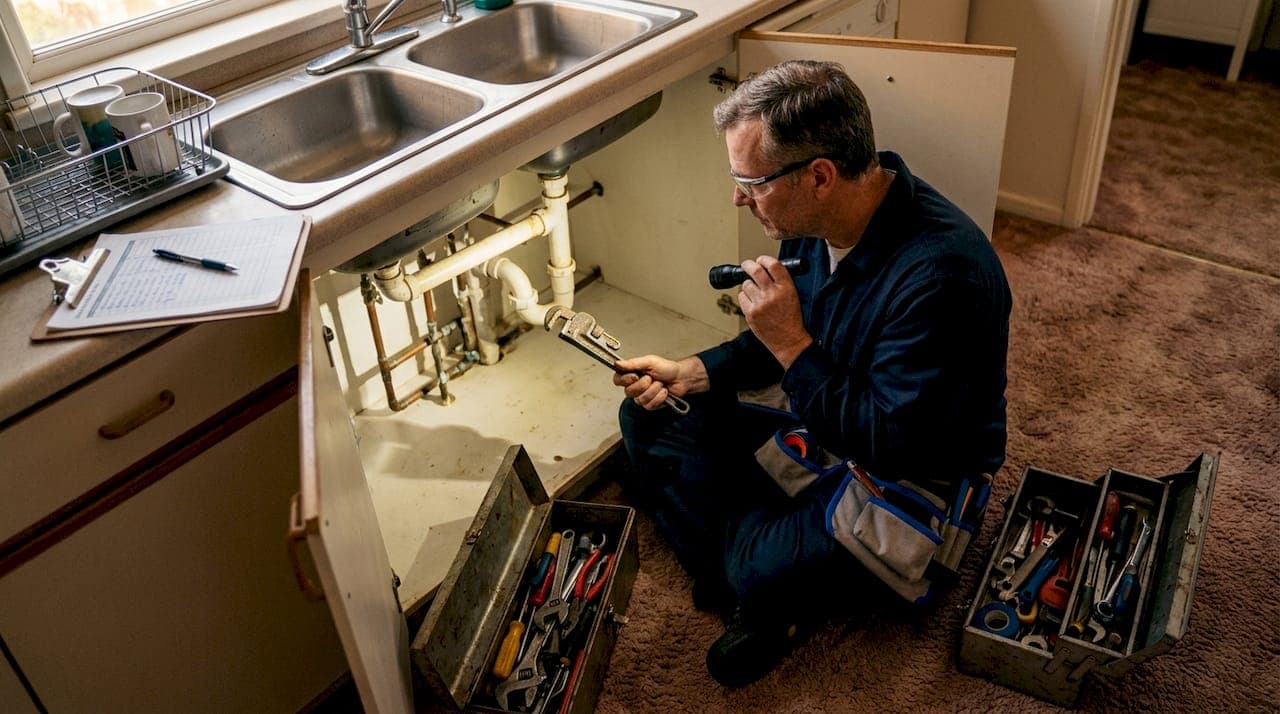
Preventative plumbing maintenance is the scheduled practice of regularly inspecting and servicing your plumbing system to prevent costly breakdowns and extend its life. Known in the trade as preventive maintenance or planned maintenance, this approach covers everything from leak detection and water pressure testing to drain cleaning and water heater flushing. Homeowners and business owners who follow an annual maintenance schedule can avoid up to 70% of emergency repair costs by catching minor issues before they escalate. The difference between a $200 fix and a $20,000 flood often comes down to one missed inspection.
What is preventative plumbing maintenance in practice?
Preventative plumbing maintenance is a structured programme of checks and servicing tasks carried out at regular intervals. The goal is to identify wear, leaks, pressure problems, and buildup before they cause system failures. Standard inspections include water pressure testing, leak detection, drain and sewer diagnostics, and flushing water heaters to remove sediment. Each task targets a specific failure point in your plumbing system.
A typical maintenance visit covers the following core activities:
- Leak detection: Checking pipes, joints, taps, and fixtures for slow leaks that waste water and cause hidden damage.
- Water pressure testing: Confirming pressure sits within safe operating limits to protect pipes and appliances.
- Drain and sewer inspection: Clearing partial blockages and checking for root intrusion or scale buildup before drains fail completely.
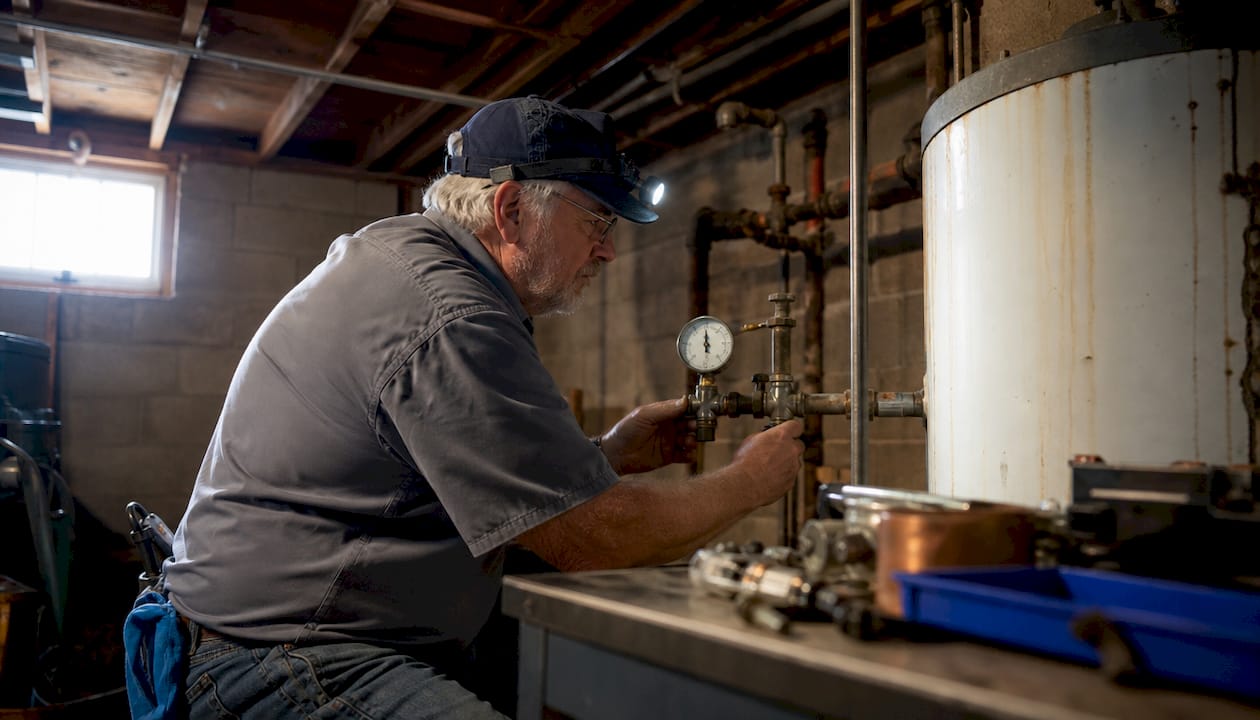
- Water heater servicing: Flushing sediment from the tank and inspecting the anode rod. Water heaters need annual flushing and anode rod replacement every 3–5 years to maintain efficiency and extend service life.
- Valve and fitting checks: Testing isolation valves, pressure relief valves, and tap washers for wear or failure.
- Hot water system inspection: Confirming thermostat settings, checking for corrosion, and verifying safety relief valves operate correctly.
Most residential properties benefit from an annual inspection. Older homes, high-use commercial premises, and aged care facilities often need checks every six months. The frequency depends on system age, water quality, and how heavily the plumbing is used.
Pro Tip: Set your maintenance visit on the same date each year, ideally in autumn before winter increases hot water demand. Pair it with a simple log sheet that records what was checked, what was found, and what was fixed. That record becomes invaluable when selling a property or making an insurance claim.
Why regular maintenance saves money and reduces risk
Over 80% of plumbing maintenance costs are avoidable through routine scheduled inspections. That figure means most of what property owners spend on emergency plumbing repairs is discretionary spending, not inevitable expense.
The financial case is straightforward. A slow leak behind a wall costs very little to fix when caught early. Left undetected for 12 months, the same leak can rot wall framing, breed mould, and damage flooring. The repair bill shifts from a minor service call to a full remediation job.
"Most plumbing disasters result from minor unnoticed issues that compound silently over time. Consistent inspections intercept these before failure, protecting both the property and the owner's budget."
Burst pipes represent the worst-case scenario. A single burst pipe can cause between $10,000 and $50,000 in property damage. That range covers structural repairs, flooring replacement, contents damage, and temporary accommodation costs. Routine maintenance makes burst pipes a rare event rather than an inevitable one.
Water waste adds another financial layer. A leaking tap can waste up to 3,000 gallons of water annually. In Australian terms, that volume adds meaningfully to quarterly water bills, particularly in areas with tiered pricing. Fixing a worn washer during a scheduled visit costs a fraction of what that wasted water costs over a year.
Routine maintenance also reduces utility costs through early efficiency improvements, not just damage prevention. A water heater running on a thick layer of sediment works harder and uses more energy to reach the same temperature. Flushing it annually restores efficiency and lowers your energy bill.
Common plumbing problems that routine checks prevent
Most catastrophic plumbing failures transition from minor leaks or buildups to emergencies primarily because of missed maintenance, not because of age or bad luck. The problems below develop silently and compound if left unchecked.
| Problem | How it develops | Consequence if ignored |
|---|---|---|
| Slow pipe leaks | Pinhole corrosion or joint wear | Mould, structural damage, high repair costs |
| Mineral scale buildup | Hard water deposits in pipes and heaters | Reduced flow, appliance failure, higher energy use |
| Clogged drains | Grease, hair, and debris accumulation | Sewage backup, pipe damage, health hazards |
| Failing isolation valves | Rubber seals degrade over time | Inability to shut off water during emergencies |
| Water heater sediment | Minerals settle at tank base with each heating cycle | Reduced efficiency, premature tank failure |
| Corroded fittings | Age and moisture exposure | Leaks, water quality issues, costly replacements |
Australian homes face specific pressures. Hard water in many Victorian regions accelerates scale buildup in pipes and hot water systems. Coastal properties on the Mornington Peninsula deal with salt air corrosion on exposed fittings. Older homes built before the 1980s often have galvanised steel pipes that corrode from the inside, restricting flow and eventually failing without warning.
Consistent maintenance extends the lifespan of pipes and appliances by preventing corrosion, scale buildup, and mechanical wear. A well-maintained plumbing system in a residential property can outlast a neglected one by decades.
How to set up a maintenance plan for your property
A maintenance plan works when it is tied to a fixed calendar, not left to memory or reactive thinking. A checklist is ineffective unless it is part of a repeatable, calendar-bound workflow. Cadence is what converts good intentions into actual protection.
Follow these steps to build a plan that holds:
- Book a baseline inspection. Start with a full professional inspection to establish the current condition of your system. This gives you a documented starting point and flags any immediate issues.
- Set recurring annual visits. Lock in the same month each year for your scheduled maintenance. Treat it like a car service. It is not optional.
- Adapt frequency to your property. Older buildings, high-occupancy commercial premises, and aged care facilities need inspections every six months. Newer residential properties can typically manage with annual visits.
- Keep a maintenance log. Record every inspection, finding, and repair. Note the date, the tradesperson, and what was done. This log protects you in insurance disputes and adds value when selling.
- Add seasonal checks. Before winter, check hot water systems and insulate exposed pipes in unheated areas. After summer, inspect garden taps, irrigation connections, and any outdoor plumbing for UV or heat damage.
- Hire licensed tradespeople. In Victoria, plumbing work must be carried out by a licensed plumber. DIY inspections can identify visible issues, but pressure testing, drain diagnostics, and hot water servicing require qualified professionals.
Pro Tip: Leak detection sensors and automatic shutoff valves are now affordable for residential properties. A sensor installed under a sink or near a hot water unit alerts you to moisture the moment it appears. An automatic shutoff valve can stop a burst pipe from flooding your home while you are away. These devices do not replace scheduled maintenance, but they add a real-time safety layer between visits.
Key takeaways
Preventative plumbing maintenance is the single most cost-effective way to protect your property from expensive water damage, system failure, and unnecessary utility costs.
| Point | Details |
|---|---|
| Scheduled inspections cut costs | Annual maintenance avoids up to 70% of emergency repair costs by catching issues early. |
| Burst pipes are preventable | A single burst pipe can cause $10,000 to $50,000 in damage, most of which routine checks prevent. |
| Water waste adds up fast | A leaking tap wastes up to 3,000 gallons annually, adding directly to your water bill. |
| Cadence is the key variable | A maintenance checklist only works when tied to a fixed, repeatable calendar schedule. |
| Licensed tradespeople are non-negotiable | In Victoria, plumbing inspections and servicing must be carried out by a licensed plumber. |
Why I think most property owners get the timing wrong
The most common mistake I see is property owners booking a plumber only after something goes wrong. By that point, the minor issue has already become a major one, and the cost reflects it. Reactive plumbing is expensive plumbing.
What surprises people is how quickly small problems compound. A slow drip behind a wall does not stay a slow drip. Over six months it saturates insulation, softens framing, and creates the conditions for mould. By the time it shows up as a damp patch on the plasterboard, the repair scope has tripled.
The property owners who spend the least on plumbing over a decade are not the ones with the newest systems. They are the ones who book their annual inspection without fail, keep a log, and act on findings immediately. That habit creates a compounding protective effect that pays for itself many times over.
The mindset shift from reactive to proactive is the hardest part. Once you make it, the rest follows naturally. You stop dreading plumbing problems because you know your system is being watched.
— Mike
Plumbing maintenance plans from Dualflowservices
Dualflowservices provides scheduled plumbing maintenance for homeowners, business owners, aged care facilities, and retirement villages across the Mornington Peninsula in Victoria.
Every property is different. Dualflowservices tailors maintenance plans to suit your system's age, usage level, and specific risk factors, whether that is hard water scale, coastal corrosion, or an ageing hot water unit. All work is carried out by licensed plumbers who know the local conditions. If you are ready to move from reactive to planned plumbing care, get in touch with Dualflowservices to arrange your first inspection.
FAQ
What is preventative plumbing maintenance?
Preventative plumbing maintenance is a scheduled programme of inspections and servicing tasks designed to identify and fix minor plumbing issues before they become costly failures. It typically includes leak detection, pressure testing, drain cleaning, and water heater servicing.
How often should I schedule a plumbing maintenance visit?
Most residential properties need an annual inspection. Older homes, high-use commercial premises, and aged care facilities benefit from inspections every six months to account for greater system wear.
How much money can routine plumbing maintenance save?
Routine inspections can prevent over 80% of plumbing maintenance costs by stopping small issues from escalating. A single burst pipe can cause $10,000 to $50,000 in damage, an expense that scheduled maintenance largely eliminates.
What does a plumber check during a preventative maintenance visit?
A licensed plumber checks water pressure, inspects pipes and joints for leaks, tests isolation valves, clears partial drain blockages, and services the hot water system. The exact scope depends on the property's age and system type.
Does preventative maintenance help reduce water bills?
Yes. Early leak detection and efficiency improvements from maintenance reduce water waste directly. A single leaking tap can waste up to 3,000 gallons of water per year, which shows up on your quarterly water bill.