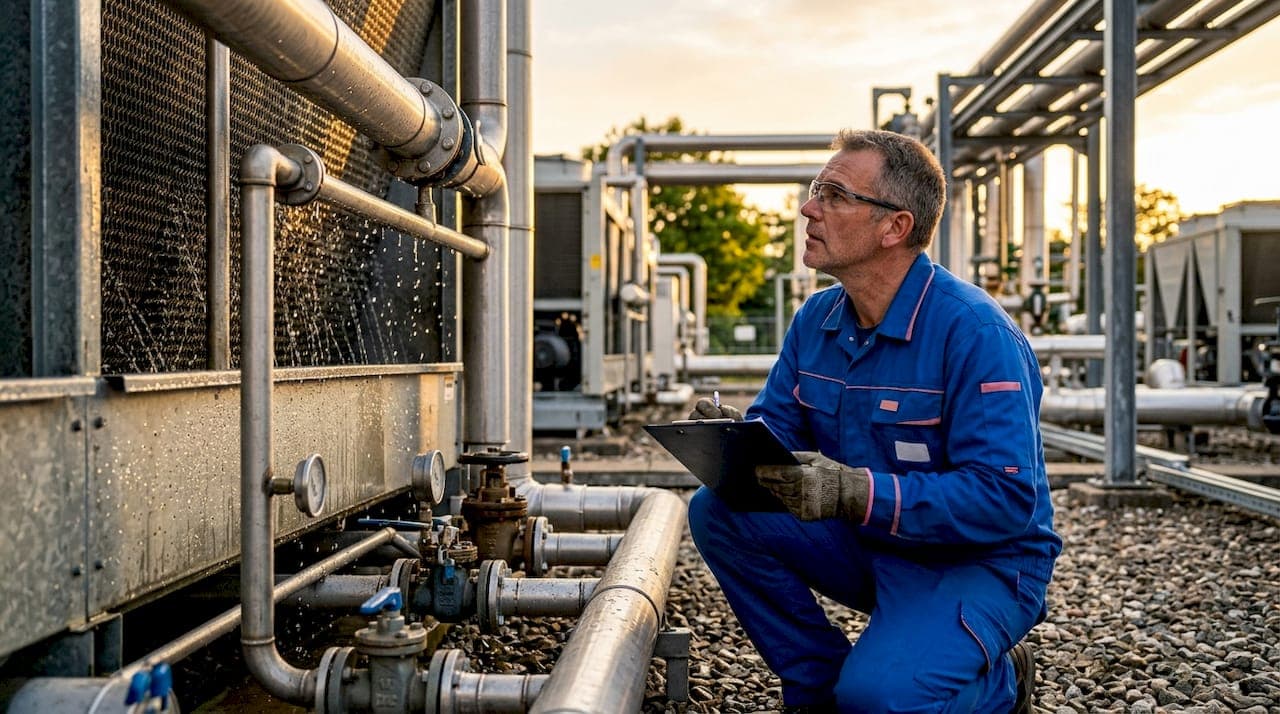
Cooling system hygiene is the process of keeping cooling equipment clean and safe through combined mechanical cleaning, chemical treatment, and ongoing monitoring. Done properly, it prevents microbial contamination, including Legionella, and maintains the energy efficiency your system was designed to deliver. For homeowners and facilities managers across Victoria, understanding this process is not optional. Poor hygiene in cooling systems degrades indoor air quality, drives up energy costs, and creates real health risks for occupants.
How cooling system hygiene works: the core process
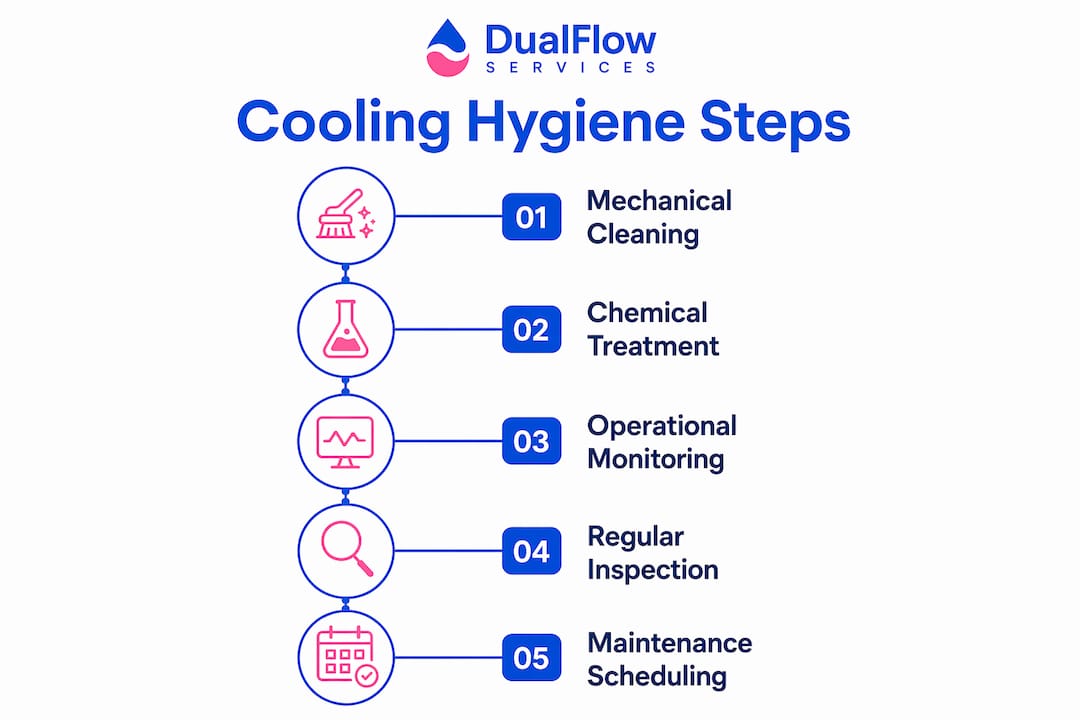
Cooling system hygiene works through three integrated controls: mechanical cleaning, chemical treatment, and operational monitoring. Remove any one of these and the system fails. Effective hygiene relies on all three working together to control scale, corrosion, and microbial growth simultaneously. This is the industry standard approach, and it applies whether you are managing a residential split system in Frankston or a commercial cooling tower in Mornington.
The industry term for this field is cooling water treatment and hygiene management. The phrase "cooling system hygiene" captures the same concept in plain language, and both terms describe the same set of practices. Knowing the formal term helps when reading Australian standards or engaging a licensed contractor.
What components and challenges affect cooling system cleanliness?
Cooling systems collect contamination from two directions: the water circulating inside and the air drawn through from outside. Cooling towers draw in air that deposits dust, pollen, and organic debris directly into the water basin. That debris feeds microbial growth and accelerates fouling across every wetted surface.
The components most prone to fouling are:
- Cooling coils and heat exchangers: Biofilm and scale build up on surfaces, reducing heat transfer and forcing the system to work harder.
- Fill media: The structured packing inside cooling towers provides enormous surface area, which makes it ideal for biofilm colonisation.
- Water basins and sumps: Sediment and sludge settle here, creating stagnant zones where bacteria thrive.
- Condensate drain lines: Slow-moving or stagnant water in drains supports mould and algae growth that affects indoor air quality.
The chemistry of the circulating water creates its own set of problems. Cycles of concentration (CoC) must be carefully controlled, with a typical target of 3–6. When CoC runs too high, dissolved minerals concentrate until they precipitate as scale. When it runs too low, water is wasted and chemical costs rise. The Langelier Saturation Index, or LSI, guides scaling and corrosion tendencies; maintaining it near zero keeps the system in balance and protects metal surfaces from pitting and rust.
Legionella is the most serious microbial hazard in cooling systems. The bacterium thrives in warm, stagnant water between 25°C and 45°C, exactly the conditions found in poorly maintained cooling towers. Australian regulations and ASHRAE Standard 188 both treat Legionella monitoring as a non-negotiable requirement for commercial systems.
| Challenge | Primary cause | Effect on system |
|---|---|---|
| Scale | High CoC, elevated LSI | Reduced heat transfer, blocked flow |
| Biofilm | Organic debris, warm water | Shields bacteria, insulates surfaces |
| Corrosion | Low LSI, chloride attack | Metal pitting, leaks, structural damage |
| Legionella growth | Stagnant warm water, biofilm | Serious health risk to occupants |
| Mould in drains | Stagnant condensate | Poor indoor air quality |
Why does mechanical cleaning matter for microbial control?
Biofilm shields bacteria from biocides, making physical removal a required step before chemical treatment can work. This is the most misunderstood aspect of cooling system hygiene. Facility managers often assume that dosing the right chemicals is sufficient. It is not. Biofilm consumes disinfectants and creates a physical barrier that no chemical can fully penetrate without prior scrubbing.
Chemical water treatment alone fails without first removing the biofilm layer. Physical cleaning must come first. The standard mechanical cleaning procedure follows this sequence:
- Isolate and drain the system completely to remove contaminated water and expose all wetted surfaces.
- Remove sludge and sediment from basins and sumps using wet vacuums or manual scooping.
- Scrub fill media, basins, and coils with brushes to break up biofilm colonies.
- Pressure wash surfaces using appropriate water pressure to flush loosened debris from the system.
- Inspect and replace damaged fill media, gaskets, or corroded components before refilling.
- Refill and apply chemical treatment only after the system is physically clean.
ASHRAE Standard 188 and industry experts recommend mechanical cleaning at least twice per year for commercial cooling towers. Residential systems benefit from at least annual cleaning, with interim inspections every three months during heavy use periods like summer in Victoria.
Pro Tip: Never pressure wash aluminium cooling coils at high pressure. High pressure bends the fins and restricts airflow, which reduces efficiency more than the fouling you were trying to remove.
What chemical hygiene methods are used and how do they work?
Chemical treatment controls what mechanical cleaning cannot reach: dissolved minerals, residual bacteria, and ongoing biological growth between cleaning cycles. The two main categories of biocides are oxidising and non-oxidising agents, and rotating between them is standard practice.
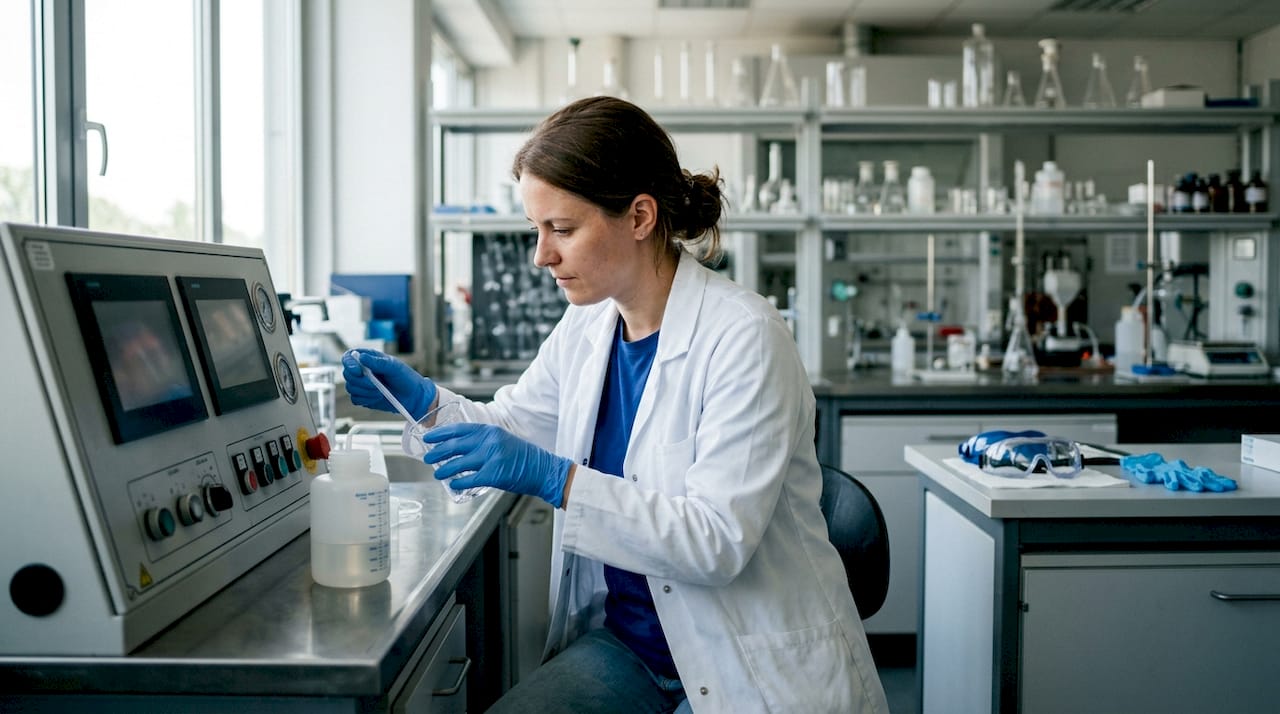
Alternating oxidising and non-oxidising biocides reduces microbial resistance and improves treatment effectiveness. Oxidising biocides, such as chlorine and bromine, work fast and break down quickly. Non-oxidising biocides, such as isothiazolinones, penetrate biofilm more effectively and provide longer residual protection. Using only one type allows resistant strains to develop over time.
Key chemical hygiene protocols include:
- Hyperchlorination for disinfection: Proper disinfection requires 50 mg/L free chlorine maintained for 6 hours, followed by thorough flushing before the system returns to service. This protocol applies after long shutdowns, after Legionella detection, or as part of an annual disinfection programme.
- Scale inhibitors: Phosphonate and polymer-based inhibitors prevent calcium carbonate and silica from precipitating onto heat exchanger surfaces.
- Corrosion inhibitors: Molybdate or azole-based inhibitors form a protective film on metal surfaces, reducing pitting and extending equipment life.
- pH control: Maintaining pH between 7.0 and 8.5 keeps both scale and corrosion risks within acceptable limits and maximises biocide effectiveness.
High chlorine concentrations corrode copper and galvanised steel components if left unchecked. Chemical dosing must be monitored continuously, not set and forgotten. Residual chlorine, pH, and inhibitor levels all require regular testing to confirm the treatment programme is working as intended.
How do you monitor and maintain hygiene performance?
Monitoring is what converts a maintenance schedule into a compliance record. Without documented test results, you cannot demonstrate that your system meets Australian regulatory requirements or ASHRAE Standard 188 obligations.
The key parameters to track are:
- pH: Test daily or at minimum weekly. Target range 7.0–8.5.
- Conductivity and CoC: Weekly testing confirms blowdown is controlling mineral concentration within the 3–6 target range.
- Residual biocide levels: Test after each dosing event to confirm effective concentrations are reached.
- Heterotrophic plate count (HPC): Monthly microbiological testing provides an early warning of biological control failure.
- Legionella counts: Quarterly Legionella testing is the minimum standard. Action is required at 1,000 CFU/L, and immediate shutdown is required above 10,000 CFU/L.
Automated dosing controllers and online conductivity monitors reduce the manual workload for facilities managers and improve consistency. Scheduled blowdown, triggered by conductivity readings rather than a fixed timer, keeps CoC within range without wasting water or chemicals.
Pro Tip: Residential homeowners do not need laboratory Legionella testing for standard split systems, but quarterly visual inspections of drain lines and annual professional servicing cover the key hygiene risks for home cooling equipment.
What are the best practices for homeowners and facilities managers?
The best practices for cooling hygiene differ between residential and commercial settings, but the underlying principle is the same: scheduled maintenance prevents the problems that emergency repairs cannot fix cheaply.
For homeowners in Victoria:
- Schedule annual professional cleaning and disinfection before summer, ideally in september or october.
- Flush condensate drain lines with distilled white vinegar every three months to prevent mould and algae build-up.
- Clean AC coils using gentle water pressure only. Avoid acidic cleaners and high-pressure settings that damage aluminium fins.
- Keep at least 600mm of clearance around outdoor units and remove leaves, grass clippings, and debris monthly.
- DIY maintenance kits cost $25–$60 annually. Professional servicing costs more upfront but prevents scale-related energy waste that compounds over years.
For facilities managers in Victoria:
- Maintain a written Water Management Programme that documents all testing, dosing, and cleaning activities.
- Conduct mechanical cleaning twice per year and chemical disinfection at least annually.
- Keep Legionella test records for a minimum of five years to support regulatory compliance.
- Review the programme after any system modification, extended shutdown, or positive Legionella result.
- Engage licensed contractors who can provide written reports and compliance documentation.
Key takeaways
Cooling system hygiene requires mechanical cleaning, chemical treatment, and regular monitoring working together. No single element delivers safe, efficient performance on its own.
| Point | Details |
|---|---|
| Mechanical cleaning comes first | Biofilm must be physically removed before biocides can work effectively. |
| Chemical treatment needs rotation | Alternating oxidising and non-oxidising biocides prevents microbial resistance. |
| Legionella monitoring is mandatory | Quarterly testing is the minimum; action levels trigger immediate response at 1,000 CFU/L. |
| Condensate drains are often overlooked | Flush with distilled white vinegar every three months to protect indoor air quality. |
| Documentation supports compliance | Written records of testing and maintenance are required under Australian and ASHRAE standards. |
What I have learned from years of cooling system work
The most common mistake I see is treating chemical dosing as the whole solution. Facilities managers invest in water treatment programmes and then wonder why Legionella counts keep climbing. The answer is almost always biofilm that was never physically removed. You cannot disinfect your way out of a fouling problem.
The second most overlooked issue is the condensate drain. I have walked into commercial buildings where the cooling system water chemistry was perfectly managed, but the drain pan was growing a visible mould colony. That mould was circulating through the building every time the fan ran. Neglected condensate drains are a major source of indoor air quality problems that most people never connect to their cooling system.
My advice to both homeowners and facilities managers is the same: build a written schedule and stick to it. Annual professional cleaning, quarterly drain flushes, and monthly visual checks take less time than a single emergency callout. The cost of prevention is a fraction of the cost of remediation, and the health risk to occupants is not worth the saving.
Cooling system hygiene services from Dualflowservices
Dualflowservices provides professional cooling system maintenance across the Mornington Peninsula and greater Victoria. The team handles mechanical cleaning, chemical treatment, and Legionella risk management for homeowners, business owners, aged care facilities, and retirement villages. Every service includes written documentation to support your Water Management Programme and regulatory compliance.
Whether you need a scheduled annual service or an urgent inspection after a positive Legionella result, contact Dualflowservices to arrange a visit from a qualified technician who knows Victorian cooling systems inside and out.
FAQ
What is cooling system hygiene?
Cooling system hygiene is the combined process of mechanical cleaning, chemical treatment, and monitoring that keeps cooling equipment safe and efficient. It prevents microbial growth, scale, and corrosion from degrading system performance and occupant health.
How often should cooling systems be cleaned?
Commercial cooling towers require mechanical cleaning at least twice per year under ASHRAE Standard 188 guidelines. Residential split systems benefit from annual professional servicing, with condensate drain flushes every three months.
What is the Legionella action level for cooling towers?
Legionella action levels require immediate response at 1,000 CFU/L and immediate system shutdown above 10,000 CFU/L. Quarterly testing is the minimum monitoring frequency for commercial systems.
Can homeowners clean their own cooling systems?
Homeowners can safely flush condensate drains with distilled white vinegar and remove debris from around outdoor units. Coil cleaning and chemical disinfection are best left to a licensed technician to avoid damaging aluminium fins or misapplying chemicals.
Why does chemical treatment alone not prevent Legionella?
Biofilm protects bacteria from biocides by forming a physical barrier that disinfectants cannot fully penetrate. Physical scrubbing must remove the biofilm layer before chemical treatment can achieve effective microbial control.