An emergency plumbing situation is defined as any event causing active water damage, sewage exposure, gas risk, or loss of essential services that demands urgent action. Mould growth begins within 24–48 hours of a water leak, which means the difference between a minor repair and a major restoration job is measured in minutes. This emergency plumbing situations checklist gives Victorian homeowners and property managers a clear, step-by-step response plan for the most common plumbing crises. Follow it in order, and you protect both your property and the people inside it.
1. What are the most common plumbing emergencies to prepare for?
Knowing which situations qualify as true emergencies shapes how you respond. These are the scenarios every Victorian homeowner should have on their radar.
- Burst pipes. A burst pipe releases 8–12 gallons of water per minute, roughly the equivalent of four full bathtubs every hour. That volume saturates walls, floors, and subfloors fast.
- Water heater failure. A ruptured water heater can release 40–80 gallons instantly. Gas-powered units add an explosion risk on top of the flooding threat.
- Sewage backups. Raw sewage carries pathogens including E. coli and Salmonella. Any backup is a health emergency, not just a plumbing inconvenience.
- Gas leaks. The smell of sulphur or rotten eggs signals a gas leak. This is the one scenario where you call the gas utility before you call a plumber.
- Overflowing toilets and blocked drains. These escalate quickly when ignored, particularly in properties with ageing cast-iron or clay pipes common across older Victorian homes.
- Sump pump failure. Properties in low-lying areas of the Mornington Peninsula are especially vulnerable during heavy rainfall when a sump pump stops working.
2. Immediate first steps: the emergency plumbing response checklist
The first ten minutes after a plumbing emergency determine how much damage you end up paying for. Work through these steps in order.
- Shut off the water supply. Turn off the valve closest to the problem first. If you cannot isolate it, go straight to the main water shut-off, which is typically near the water metre, in the garage, or on an external wall.
- Cut power to affected areas. Turn off electricity at the breaker box before touching any water near electrical outlets or appliances. Water and live electricity is a fatal combination.
- Evacuate if gas is involved. Leave the property immediately if you smell gas. Do not switch lights on or off. Call your gas utility provider from outside or from a neighbour's property.
- Document the damage. Photograph and video every affected area within the first hour. Home insurance in Australia typically covers sudden damage like burst pipes but not gradual leaks, so timestamped documentation is your best evidence.
- Contain the water. Use towels, buckets, and mops to slow the spread. Open windows to begin drying and reduce moisture build-up.
- Call a licensed emergency plumber. Give them your address, the type of emergency, and whether you have already shut off the water or power.
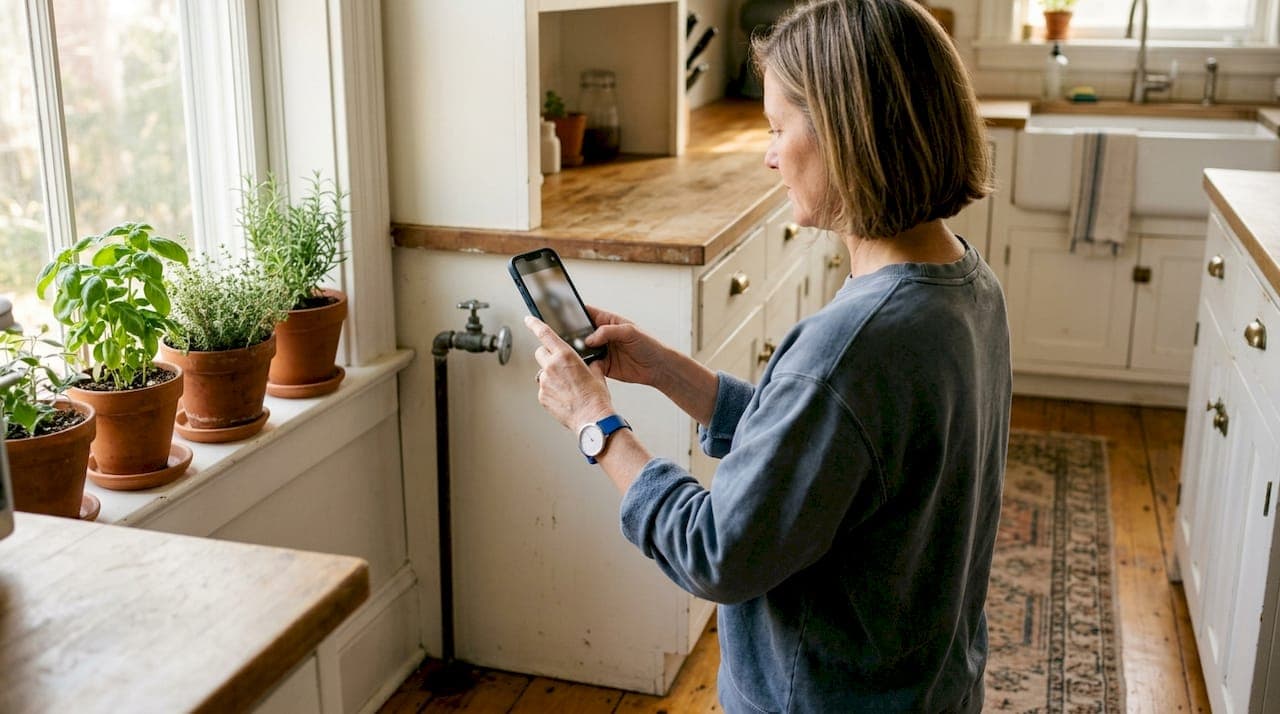
Pro Tip: Photograph the location of your main water shut-off valve and save it in your phone's camera roll. When water is pouring through your ceiling at 11pm, you will not want to be searching for it.
3. How to safely manage specific emergencies while waiting for help
Calling a plumber is step one. Managing the situation safely while you wait is step two. The approach differs depending on the type of emergency.
Burst pipes
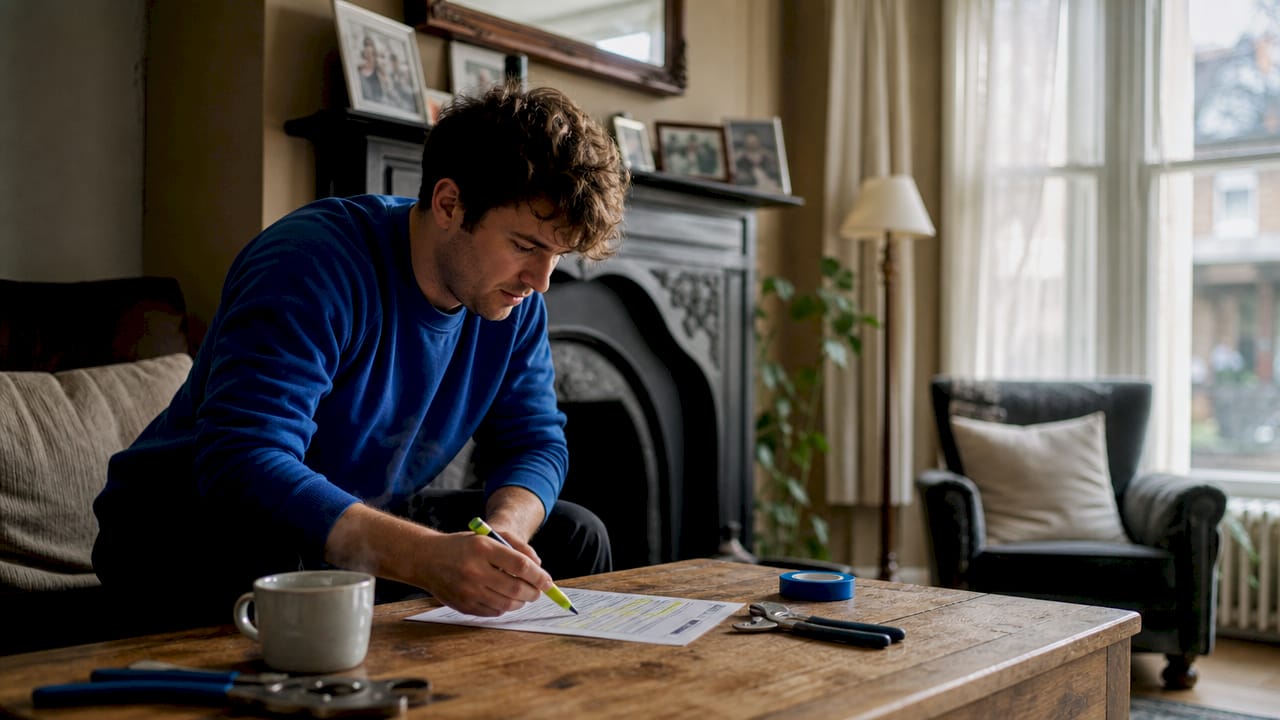
Wrap the burst section tightly with a rubber patch or waterproof tape as a short-term measure. This will not stop the leak entirely, but it slows the flow. Keep the main supply off until the plumber arrives.
Sewage backups
Stop using every water fixture in the property immediately. Flushing toilets or running taps pushes more sewage back through the system. Avoid all contact with sewage water and keep children and pets out of affected areas. Ventilate the space by opening windows and doors.
Water heater leaks
Switch off the power supply to the unit at the breaker box. Close the cold water inlet valve at the top of the heater. Do not attempt to drain the tank yourself if the unit is gas-powered.
Overflowing toilets
Lift the cistern lid and push the flapper down to stop water entering the bowl. Turn off the isolation valve behind or beneath the toilet. Do not use chemical drain cleaners in a blocked toilet as they can damage older pipes.
Gas leaks
A "safety first, fix second" approach is non-negotiable here. Evacuate, leave doors open as you go, and call your gas utility provider before contacting a plumber. Gas emergencies in Victoria are handled by APA Group or your local distributor before any tradesperson enters the property.
Pro Tip: Never attempt to locate a gas leak with a naked flame or lighter. Use soapy water on connections if you need to identify the source after the utility provider has cleared the area.
4. Essential tools and preparation: your emergency plumbing supplies list
A prepared property manager does not scramble for tools during a crisis. Keep these items accessible and clearly labelled.
What to keep in your emergency plumbing kit
- Adjustable wrench and pipe wrench
- Needle-nose pliers
- Rubber gloves and safety glasses
- Waterproof tape and rubber patches
- Towels, mop, and a large bucket
- Torch with spare batteries
- Isolation valve key (for Victorian water metres)
What to map and label in your property
Only around half of homeowners know where their main water shut-off valve is located. That statistic is the single biggest reason emergencies become disasters. Walk your property and label the following with waterproof tags or stickers:
- Main water shut-off valve
- Individual fixture isolation valves (under sinks, behind toilets)
- Gas metre shut-off
- Electrical breaker box
More than 47% of people under 35 do not know how to locate or operate their gas shut-off valve. Keep an adjustable spanner near the gas metre so you can act immediately if needed.
Annual checks to run
Test every isolation valve once a year to confirm it turns freely. Valves that have not moved in years seize up at the worst possible moment. Check your hot water unit's pressure relief valve annually as well.
5. When to call an emergency plumber and what to ask
Some situations allow you to wait until business hours. Others do not. Call an emergency plumber immediately when you face any of the following:
- Active flooding you cannot stop by shutting off the supply
- Sewage backup affecting more than one fixture
- No hot water in a property housing elderly or disabled residents
- A gas smell inside the building
- Burst pipes inside walls or under the slab
- Loss of all water supply to the property
When you call, ask the plumber whether they hold a current Victorian Plumbing Licence issued by the Victorian Building Authority (VBA). Confirm they offer 24/7 availability and ask for an estimated arrival time. Give them a clear description of the problem, what you have already done, and whether the water or power is off. That information helps them arrive prepared with the right parts and equipment.
After-hours call-out rates are higher than standard rates. Ask for a rough cost estimate before they arrive so you are not surprised by the invoice. A reputable emergency plumber will give you a clear indication upfront.
Key takeaways
A plumbing emergency demands immediate water shut-off, power isolation, and documented damage within the first hour to limit costs and support insurance claims.
| Point | Details |
|---|---|
| Shut off water first | Locate your main shut-off valve before an emergency occurs and test it annually. |
| Power off near water | Switch off the breaker box before touching water near any electrical outlet or appliance. |
| Document within one hour | Photograph and video all damage immediately to support home insurance claims for sudden events. |
| Gas leaks need the utility first | Evacuate and call your gas distributor before contacting any plumber. |
| Prepare a plumbing kit | Keep a wrench, rubber patches, gloves, and a torch accessible at all times. |
What I have learned from years of plumbing emergencies
The preparation gap is the real problem
After years working with homeowners and property managers across Victoria, the pattern is consistent. The property damage is rarely caused by the emergency itself. It is caused by the delay between the emergency starting and the right action being taken.
Most people spend the first five minutes searching for the shut-off valve, then another five looking for a torch, then another five trying to find a plumber's number. By that point, water has been flowing for ten minutes or more and the damage bill has multiplied.
The homeowners who come out of emergencies with minor repair costs share one trait. They knew where their shut-off valve was, and they turned it off within two minutes. That single action changes the outcome more than anything else.
My honest advice: do a thirty-minute walk of your property this weekend. Find every isolation valve. Label them. Put a plumber's emergency number in your phone contacts right now, not after the next crisis. Run a practice drill with anyone else who lives or works in the property. It feels unnecessary until it is not.
Property managers especially underestimate this. A tenant calling at midnight during a burst pipe is not the time to be asking where the water metre is located.
— Mike
Dualflowservices: emergency plumbing support across Victoria
When a plumbing crisis hits your property, you need a licensed tradesperson who can respond fast, any time of day or night. Dualflowservices provides 24/7 emergency call-out across Victoria, covering burst pipes, sewage backups, hot water failures, gas-related plumbing issues, and blocked drains.
Dualflowservices serves homeowners, property managers, aged care facilities, retirement villages, and disability care homes across the Mornington Peninsula and greater Victoria. The team holds current Victorian licences and arrives equipped for the most common plumbing emergencies. Save the Dualflowservices emergency line in your phone now, before you need it. That thirty seconds of preparation is worth more than any tool in your kit.
FAQ
What counts as a plumbing emergency?
A plumbing emergency is any situation involving active water damage, sewage exposure, gas risk, or complete loss of essential services. Mould growth begins within 24–48 hours, so any active leak qualifies as urgent.
Where is the main water shut-off valve in a Victorian home?
The main shut-off valve is typically located near the water metre, in the garage, or on an external wall facing the street. Label it clearly so every household member can find it quickly.
Should I turn off power during a plumbing emergency?
Yes. Switch off the breaker box before touching any water near electrical outlets or appliances. Water near live electricity creates a fatal electrocution risk.
What should I do if I smell gas in my home?
Evacuate immediately without switching any lights on or off. Call your gas utility provider from outside the property before contacting a plumber. Do not re-enter until the utility provider clears the area.
How do I choose a reliable emergency plumber in Victoria?
Confirm the plumber holds a current licence issued by the Victorian Building Authority (VBA) and offers genuine 24/7 availability. Ask for an estimated arrival time and a rough cost indication before they attend.