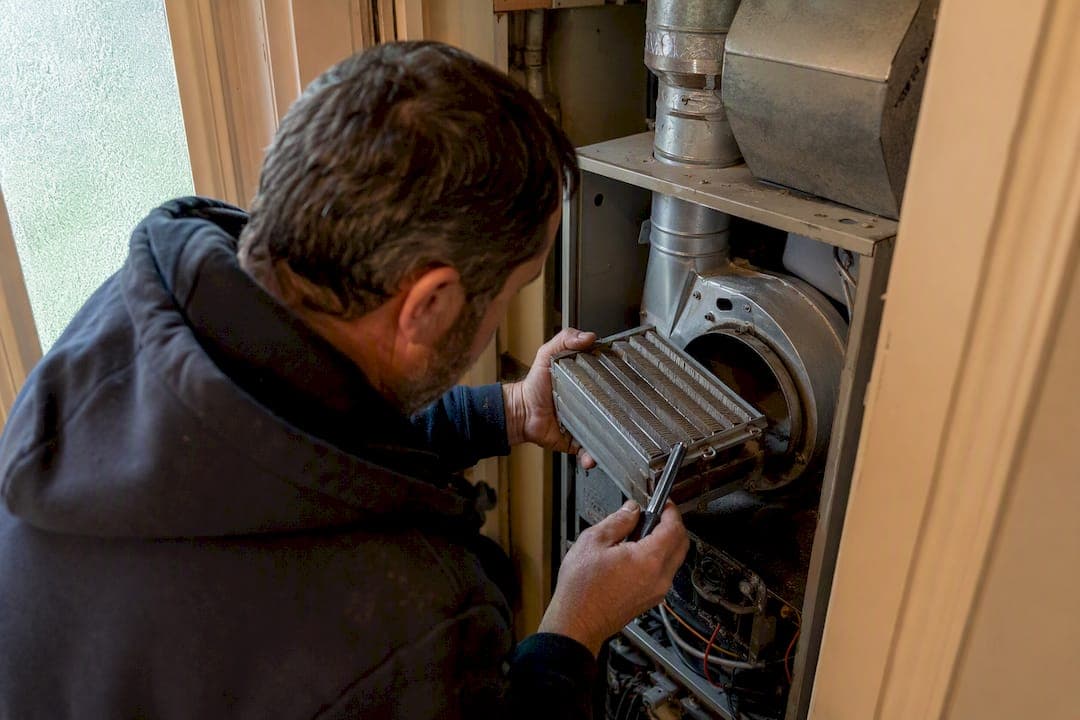
A routine ducted heating service in Australia generally costs within a mid-range price band, depending on your region and system size. If a carbon monoxide analyser test isn't included, expect another $80 to $150 on top. Before you accept any quote, confirm two things: the CO test is part of the price, and the person doing the work is a licensed Type A gasfitter. In Victoria, rental properties also need a documented gas safety check every two years.
TL;DR:
- A standard ducted heating service costs between $180 and $350 in Melbourne and similar cities, with additional charges for CO testing and after-hours visits.
- A proper service must include filter replacement, burner checks, flue inspection, and a mandatory carbon monoxide test, especially on systems over ten years old.
- Rental properties in Victoria require a licensed Type A gasfitter and documented gas safety checks every two years, with proof of licensing and safety tests maintained.
- Costs increase significantly for systems older than 15 years or with difficult access, often necessitating parts like heat exchangers or motors, pushing prices toward replacement.
- Booking in autumn and requesting itemized quotes and proof of licensing ensures safety, compliance, and fair pricing, especially before winter demand peaks.
Table of Contents
- What does ducted heating service cost in Australia?
- What's actually included in a standard ducted heating service?
- Why do some ducted heating quotes cost more than others?
- When's the best time to book, and how do you save on servicing?
- Carbon monoxide testing and compliance: what Victorian owners need to know
- Should you repair your ducted heating system or replace it?
- How to get an accurate ducted heating quote over the phone
- Local expertise: who's answering your questions
- A publisher's view on price versus safety
- Book a ducted heating service with local licence-verified technicians
- Where to check the rules and get further guidance
- Sources
What does ducted heating service cost in Australia?
Prices vary depending on where you live, how old your system is, and whether the tradesperson includes safety testing in the quote or bills it separately. In Melbourne, a standard ducted gas heating service commonly sits between $180 and $350, covering filter checks, burner inspection, and a basic function test. Sydney and Canberra quotes tend to land in a similar band, though colder Canberra winters mean higher demand and slightly tighter booking windows from May onward.
Here's how the main cost components usually break down:
- Standard base service: $150–$400, covering the core mechanical checks.
- Carbon monoxide analyser test: $80–$150 if it's not already bundled into the base fee.
- After-hours or weekend call-out: an extra $50–$300, depending on how urgent the job is and how far the tradesperson has to travel.
- Travel or access fees: more likely if you're outside a metro radius or the ducting sits somewhere awkward, like a tight roof cavity.
- GST: almost always included in the quoted figure for registered businesses, but worth confirming if a number looks suspiciously round.
Anything advertised well under $150 for a "full service" is worth questioning. It's not necessarily a scam, but it's often missing the CO test, a proper burner strip-down, or both. A cheap quote that skips the analyser test isn't really a full service. It's a filter clean with a receipt.
What's actually included in a standard ducted heating service?
A proper service should leave you with more than a tick on an invoice. Here's what belongs on the checklist:
- Filter clean or replacement — a blocked filter is the single biggest cause of reduced airflow and higher energy bills.
- Burner and pilot assembly check — looking for scorching, uneven flame colour, or ignition delays.
- Flue and draft inspection — confirming exhaust gases are venting properly and not backing up into the roof space.
- Fan and motor check — basic function and noise testing, though full motor diagnostics usually cost extra.
- Duct visual inspection — checking for disconnections, crushing, or insulation damage.
- Thermostat calibration — making sure the unit fires at the temperature it's set to, not five degrees off.
- Carbon monoxide analyser test — the non-negotiable safety check, especially on systems over ten years old.
- Heat exchanger inspection — cracks here are the main cause of CO leaking into your home's air supply.
- Written checklist or compliance report — a dated record of what was tested and what passed or failed.
Pro Tip: If a quote doesn't mention the heat exchanger by name, ask directly. It's the part most likely to be skipped in a rushed or budget service, and the part most likely to matter if something goes wrong.
Why do some ducted heating quotes cost more than others?
Age is the biggest variable. A system that hasn't been touched in five years often needs "catch-up" work on the first visit, descaling burners, replacing perished gaskets, clearing years of dust from the heat exchanger, and that adds real labour time before the actual service even starts.
Access complexity matters too. A single-storey home with a manhole in an easy spot takes a fraction of the time a two-storey place with rigid ducting crammed into a low roof cavity does.
Parts add up fast once something's actually worn out:
- Filters: $20–$60
- Gaskets and seals: $30–$80
- Fan motors: $200–$500 installed
- Burner assemblies: $250–$600 installed
Commercial sites, aged care facilities, and retirement villages often carry extra insurance and compliance requirements, which can lift the call-out fee. Some tradespeople also charge a diagnostic-only fee if you just want a fault identified without committing to repairs on the spot.
When's the best time to book, and how do you save on servicing?
Book in autumn, March or April, before the winter rush hits. Demand for gas heater servicing spikes hard once temperatures drop, and call-out times stretch alongside prices. RACV's guidance recommends servicing most heaters every one to two years, which keeps efficiency up and avoids the compounding repair costs neglected systems tend to rack up. Some providers offer annual service plans that lock in a lower per-visit rate compared to one-off bookings, worth asking about if you own multiple properties or a larger home.
Carbon monoxide testing and compliance: what Victorian owners need to know
Energy Safe Victoria recommends annual servicing for gas appliances, with a two-year interval as the bare minimum for lower-use systems. That guidance exists because carbon monoxide is odourless and invisible. A cracked heat exchanger can leak it into your home's air supply for months before anyone notices something's wrong.
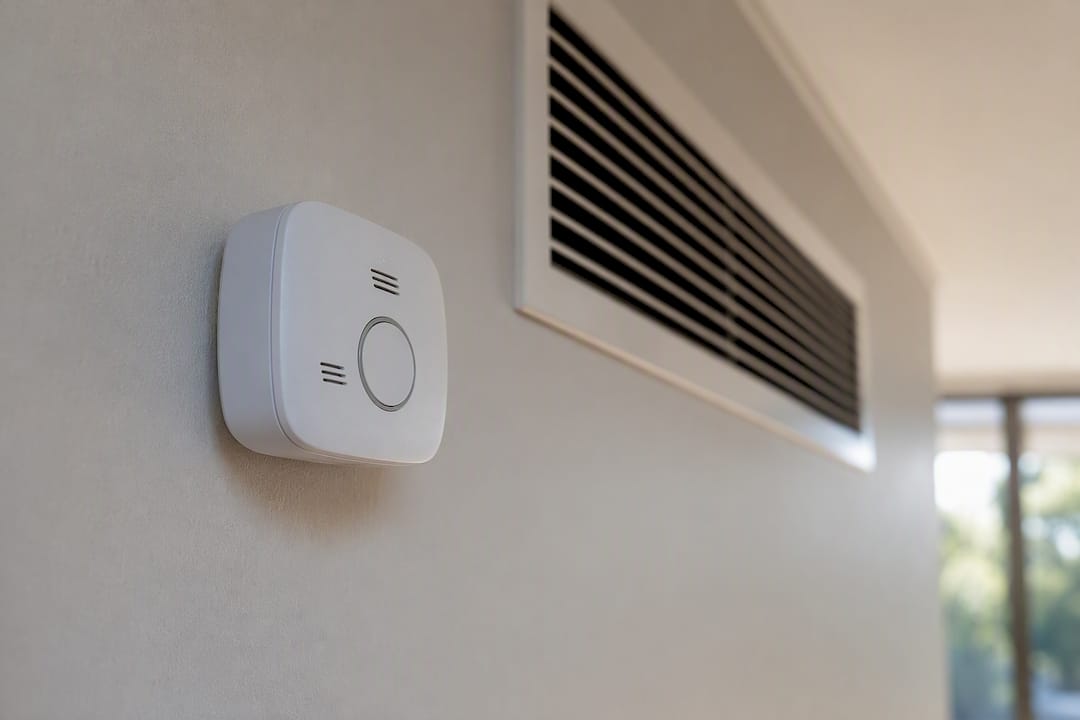
If you own or manage a rental property in Victoria, a documented gas safety check is required at least every two years, and you need to keep the paperwork. Retaining a dated checklist and CO test result for each service isn't just good practice, it's often the evidence you'll be asked to produce during a tenancy dispute or insurance claim.
Before booking, confirm:
- The technician is a licensed Type A gasfitter — you can verify this directly with the Victorian Building Authority.
- The CO analyser test is included, not an optional extra you'll be upsold on site.
- You'll receive a written safety checklist, not just a verbal "all good."
Only appropriately licensed gasfitters are legally permitted to service gas ducted heaters in Victoria. DIY servicing, or hiring someone without current Type A accreditation, isn't just risky. It's against the law.
Should you repair your ducted heating system or replace it?
Minor repairs, gaskets, filters, thermostat recalibration, rarely cost more than a couple of hundred dollars. Major component failures are a different story: a new heat exchanger, once you factor labour, can push close to what a mid-range replacement system would cost.
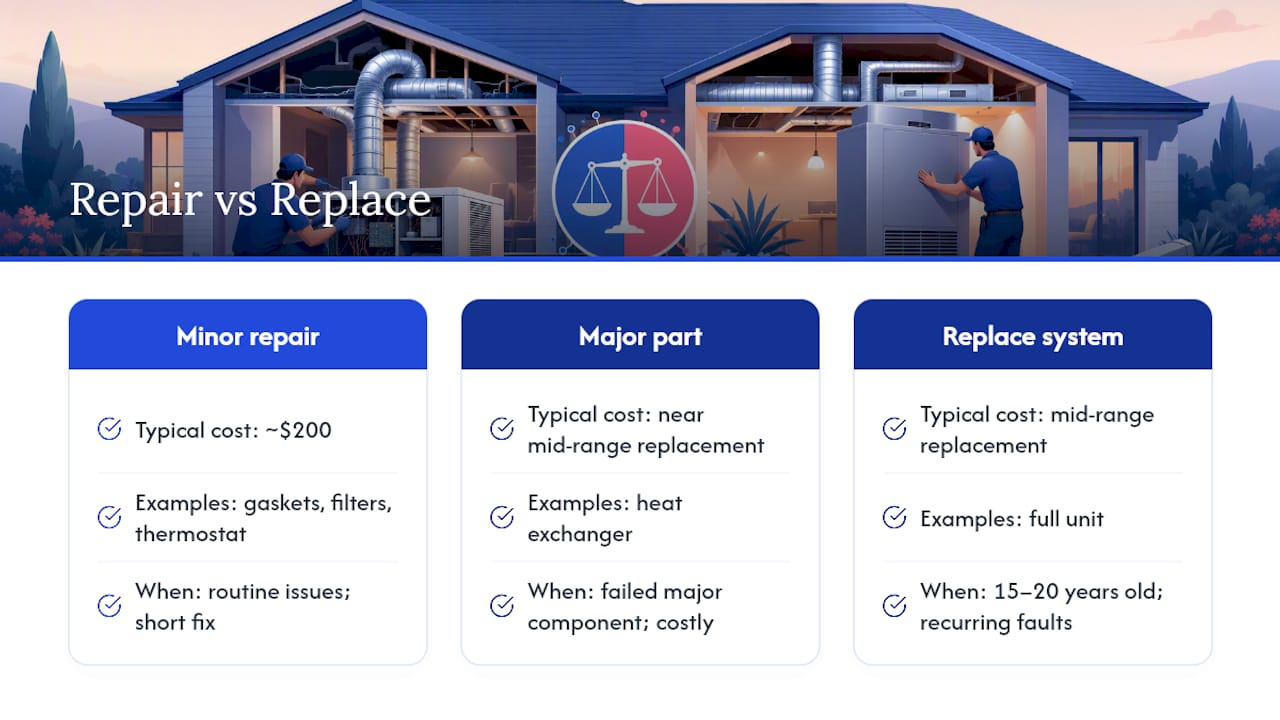
Watch for the warning signs of a system nearing end of life: a cracked heat exchanger, recurring faults across multiple visits, or a unit past 15 to 20 years old. A written diagnostic report from your last service should tell you exactly which category you're in, and whether another repair is worth the money or just delaying an inevitable replacement.
How to get an accurate ducted heating quote over the phone
Getting an honest number takes about five minutes of the right questions.
- Ask whether the CO analyser test and heat exchanger inspection are included in the base price, not billed separately.
- Request proof of Type A gasfitter licensing before booking, not after the technician arrives.
- Get an itemised quote that separates labour from parts, with estimated costs for anything likely to need replacing.
- Ask for a written checklist or short compliance report at the end of the job.
- If access is difficult, ask whether photos can be taken during the inspection for your records.
Pro Tip: Send a quick photo of your unit's model plate before the technician arrives. Many can tell you roughly what parts might be needed, and price, before they even show up.
Local expertise: who's answering your questions
Dualflowservices handles emergency call-outs, scheduled maintenance, and compliance checks across the Mornington Peninsula and surrounding Melbourne suburbs, working with homeowners, business owners, and aged care and retirement village managers who need documented, licence-verified servicing. Every visit comes with a written checklist and CO test record, the same paperwork property managers need for tenancy and insurance purposes. For more on what a compliant visit should look like, see our breakdown of how gas appliance servicing works for homeowners.
A publisher's view on price versus safety
The cheapest quote rarely includes a CO test or a licensed Type A gasfitter. Book early, ask the right questions, and keep the paperwork. That's what actually protects a household or a tenancy.
— Mike
Book a ducted heating service with local licence-verified technicians
Dualflowservices is the direct local option for ducted heating servicing across the Mornington Peninsula, no call centre, no subcontracted stranger, just licensed technicians who show up with the CO analyser and leave you with paperwork you can actually use.
When you book, you get a clear itemised quote upfront, proof of Type A gasfitter licensing before the job starts, and a written safety checklist once it's done, exactly the kind of record property managers need for compliance and homeowners need for peace of mind. If your system's heavily used through winter or you're managing a care facility, our guide on winterising a care home heating system covers the extra planning that's worth doing now rather than in June. For ongoing maintenance, a structured maintenance plan can also lower your cost per visit compared with booking one-off callouts every time something goes wrong.
Ready to lock in a service before the winter rush? Book your ducted heating service with Dualflowservices today and get a straight answer on price before anyone sets foot on your property.
Where to check the rules and get further guidance
For licence verification, check the Victorian Building Authority directly rather than taking a tradesperson's word for it. For safety standards and servicing frequency, Energy Safe Victoria publishes the current guidance on gas appliance servicing. For general maintenance benefits and timing advice, RACV's consumer guidance is a solid independent reference, and Australian Gas Networks covers rental compliance obligations in more detail.
Sources
- Energy Safe Victoria — heating your home (gas)
- RACV — benefits of a regular heater service
- Victorian Building Authority — licence check