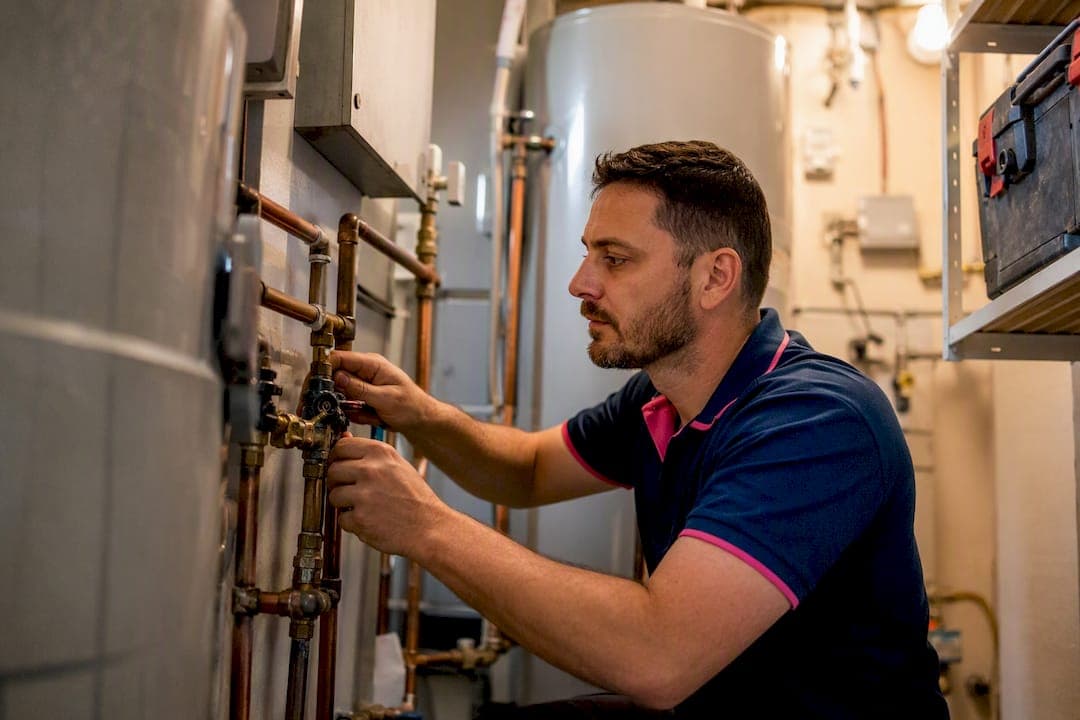
You need a single, 24/7 reachable maintenance partner that can triage, make-safe and report on every incident. That's the whole test. If your current arrangement can't do those three things reliably, at 2am, on a Sunday, without three phone calls to find someone, it isn't an after-hours plan. It's a hope.
A working plan gives your duty staff:
- One phone number that gets answered, not voicemail
- A tradesman who can make the situation safe within the target response window
- A written incident report the next business day
Pro Tip: Pull out your current after-hours contact list right now and call the number. If it rings out, goes to a generic switchboard, or nobody knows your site, you've found your first gap.
If that call fails, your next move is simple: fix the contact list today, or bring on a standby partner such as DualFlow Services before the next incident forces the issue.
Key Takeaways
An effective after-hours tradesman plan for a care facility combines a single 24/7 contact, defined emergency triggers, documented make-safe scope, and written incident reporting tied to clinical governance.
| Point | Details |
|---|---|
| One contact, not a list | A single after-hours dispatch number beats a rotating contractor list for speed and consistency. |
| Define emergencies in writing | List specific triggers like power loss to medical equipment so staff triage consistently under pressure. |
| Site induction matters most | A provider who knows your shut-off points before an emergency responds faster and safer than a stranger. |
| Get SLAs and insurance in writing | Response times, make-safe scope and current licences should be documented, not assumed. |
| DualFlow Services covers the full trade set | Plumbing, electrical, heating, cooling and hot water under one provider with site-specific plans for care facilities. |
Table of Contents
- Building an after-hours tradesman plan care facility staff can actually use
- How do you choose the right after-hours cover model?
- Setting escalation timelines and response protocols
- What to negotiate in the contract and pricing
- Setting up and testing your after-hours plan
- Why clinical governance and after-hours maintenance are linked
- What the checklist approach gets right, and where it still falls short
- How DualFlow Services covers your after-hours plan
- Sources
Building an after-hours tradesman plan care facility staff can actually use
A plan that looks good in a folder but falls apart at midnight is worse than no plan, because staff trust it. To be genuinely operational, it needs specific trades listed, a clear chain of contact, and documentation that survives an audit.
Start with trade coverage. Your plan should name who handles:
- Plumbing (burst pipes, blocked drains, hot water failure)
- Electrical (power loss, faults affecting medical or mobility equipment)
- Heating and cooling (HVAC breakdowns, especially in extreme weather)
- Hot water systems (a scald risk and a comfort issue at once)
- Locks and access (lockouts affecting resident movement or fire egress)
- Glazing (broken windows or doors compromising security)
- Gas, where the site has gas appliances or heating
Behind that list sits the structure that makes it usable in the middle of the after-hours period:
- A single after-hours contact or dispatch desk, not a rotating list of individual tradespeople
- Internal escalation contacts (duty manager, clinical lead) who get notified in parallel
- Written triage rules defining what counts as an emergency versus what can wait
- A site map showing critical shut-off points for water, gas and power
- Resident notes flagging anyone dependent on power, heating or mobility aids
- A documented permit or consent process for anyone entering resident areas after hours
The After-Hours Support Planning Toolkit for Residential Aged Care Homes from Adelaide PHN frames this as covering clinical governance, workforce, systems and infrastructure together, not as separate maintenance and clinical documents.
How do you choose the right after-hours cover model?
Three models exist: an external provider, an in-house roster, or a hybrid of both. The right answer depends on your facility's size and risk profile, but the selection criteria stay the same regardless of which way you lean.
Look for:
- Documented experience in aged care, disability or retirement village settings, not just general trades work
- Current licences and public liability insurance, provided as certificates, not just claimed
- A single phone line rather than a call centre that redirects between contractors
- Published response time targets, not vague assurances
- A standard incident reporting format they'll commit to in writing
Ask any prospective provider whether they'll complete a site induction before an emergency, how they vet staff who'll be working around vulnerable residents, and whether they can name a past aged care or disability site they've serviced.
In-house rosters work for larger facilities with maintenance staff already on call, but most mid-sized homes lack the depth to cover plumbing, electrical and HVAC internally around the clock. A hybrid model, in-house for routine issues and an external partner for true emergencies, is common for good reason.
Pro Tip: Treat "we cover everything, everywhere" as a red flag rather than a selling point. A provider who can't name a local response time or hasn't worked in a care environment before will learn on your site, during your emergency.
Setting escalation timelines and response protocols
Ambiguity is the enemy here. Define the after-hours period explicitly so staff never have to guess whether to call it in or wait until morning.
List specific emergency triggers rather than leaving it to judgement calls under pressure:
- Loss of power affecting medical or mobility equipment
- Uncontrolled water leak or hot water system overflow
- Lift failure affecting resident mobility or fire evacuation
- Gas leak or suspected gas fault
- Any hazard posing immediate risk to residents or staff
From there, the response should follow a tiered path: triage the call, make the site safe, stabilise on-site where possible, and only escalate to clinical staff or ambulance if resident welfare is genuinely at risk. WorkSafe WA guidance backs this sequence, stressing that immediate hazard identification and interim make-safe measures matter more in the first hour than a permanent fix.
Every incident needs a notification trail (duty manager, clinical lead, family if appropriate) and a written record for your Aged Care Quality Standards audit file.
What to negotiate in the contract and pricing
Get the money conversation out of the way before an emergency, not during one. Ask for a clear call-out fee structure, including whether out-of-hours premiums apply after a certain time, on weekends, or on public holidays, so a 2am callout doesn't come with a surprise invoice attached.
Your service agreement should specify:
- Guaranteed response time windows, not "as soon as possible"
- What counts as make-safe scope versus a full repair, and how each is priced
- A written follow-up report as a standard inclusion, not an add-on
- Current copies of public liability insurance and trade licences on file, refreshed annually
Ask for itemised invoicing after every callout, and keep those records alongside your incident reports. When quality auditors or insurers ask for evidence of maintenance governance, a folder of vague receipts won't cut it.
Setting up and testing your after-hours plan
A plan is only as good as the last time you tested it. Most facilities write one, file it, and never touch it again until something goes wrong.
- Define your after-hours hours precisely, then assemble a critical contact list and current site map showing shut-off points for water, gas and power.
- Vet potential partners or assign in-house roster staff using the selection criteria above, including licence and insurance checks.
- Sign agreements that lock in SLAs, then schedule a site induction so the provider knows your building before they need to.
- Run a drill. Review the paperwork it generates and fix whatever the drill exposes.
- Set a recurring review date, quarterly is reasonable, and update resident-level notes as care needs change.
Pro Tip: Run your first drill on a weekday afternoon, not at midnight. You want to find the gaps in daylight, not discover them during a real incident.
A maintenance checklist for retirement village facilities is a useful starting template if you're building this from scratch rather than auditing an existing plan.
Why clinical governance and after-hours maintenance are linked
Adelaide PHN's toolkit treats after-hours maintenance as part of clinical governance, not a separate facilities function, because a heating failure or hot water outage becomes a health event fast in a care setting. Documenting local service availability and having a directory of backup providers reduces the risk that residents get transferred to hospital simply because nobody could reach a tradesman in time.
Facilities should prioritise partners who understand care-home routines and resident sensitivities, and who can stabilise a situation on-site rather than defaulting to an ambulance call because the maintenance side failed.
Before engaging any provider, collect their current trade licences, public liability insurance certificates and evidence of a completed site induction. Keep these alongside your own resources, such as guides on electrical safety audits for care facilities and Legionella prevention systems, so your compliance file tells a complete story.
What the checklist approach gets right, and where it still falls short
Most after-hours planning advice treats maintenance and clinical governance as separate documents, one for facilities, one for care. That split is the actual weak point in a lot of plans I've seen referenced. A hot water failure isn't just a maintenance issue that might become a clinical issue — incorporating bathroom remodeling for seniors with safety-first fixtures can help reduce urgent incidents and after-hours callouts. In a care facility, it's both from the first minute.
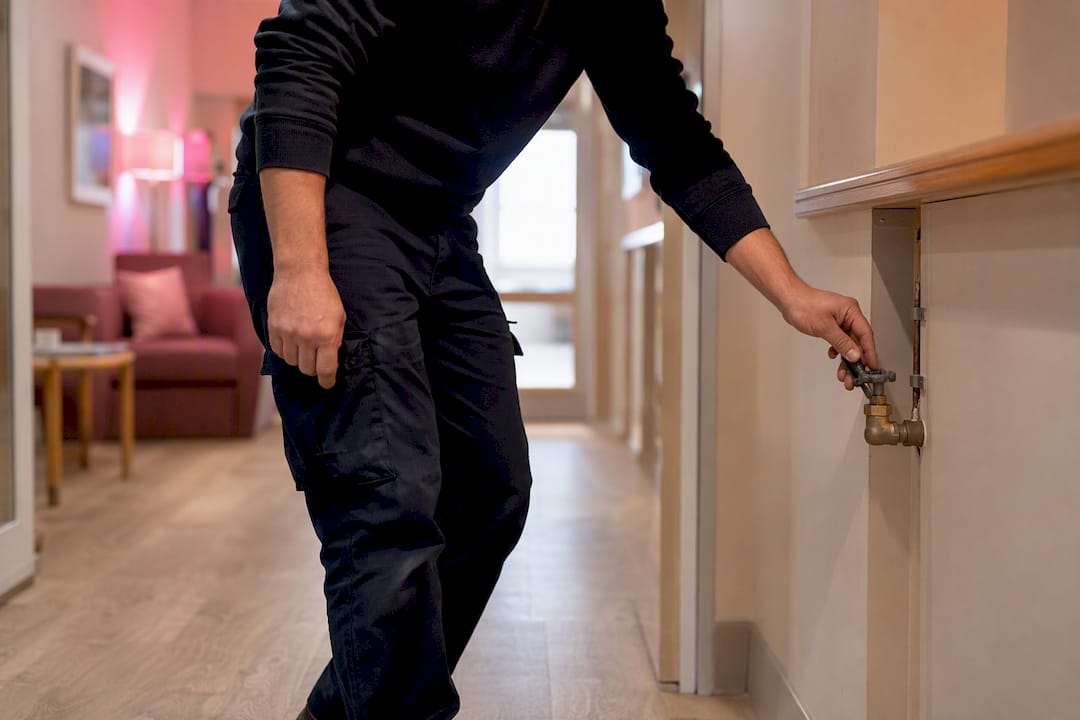
The conventional advice, get a contractor's number and stick it on the fridge, misses what actually matters: whether that contractor knows your site before they arrive. A tradesperson finding the stop-cock for the first time during an active leak costs you minutes you don't have with a resident dependent on hot water or heating.
If I had to pick one priority for a facility manager reading this, it wouldn't be the phone number. It would be the site induction. Get a partner who's walked your corridors, met your duty staff and seen your shut-off points before there's ever an emergency. Everything else in this article, the SLAs, the response windows, the escalation triggers, works better once that groundwork exists. Without it, you're negotiating contract terms for a stranger.
How DualFlow Services covers your after-hours plan
Dualflowservices is the alternative to piecing together separate plumbers, electricians and HVAC contractors for a care facility on the Mornington Peninsula. Instead of three different call-outs, three different invoices and three different strangers walking through resident areas, you get one provider covering plumbing, electrical, heating, cooling and hot water under a single after-hours arrangement.
On first contact, expect a site induction so our technicians know your shut-off points and resident-sensitive areas before an emergency, not during one. We provide emergency call-outs, scheduled maintenance and compliance checks, and can document response targets in writing as part of a site-specific plan. If your facility handles disability-specific plumbing needs, our guide to plumbing upgrades for disability homes covers common accessibility considerations worth building into your plan.
Get in touch through the DualFlow Services website to request a quote or start the conversation about a site-specific after-hours plan for your facility.